Global Portraits
I am sharing photographs I took through travels across India, Vietnam, Cambodia, Sri Lanka, and Romania — bringing into focus those who are rarely seen.
India
India is a vibrant nation that is rapidly developing into a global powerhouse in technology and services. It is the world’s most populous democracy with over 1.4 billion inhabitants. Modern, bustling cities contrast sharply with rural areas where people live a traditional lifestyle rooted in agriculture. India is pluralistic with immense linguistic and religious diversity.
I visited a Rabari village in Rajasthan, India. The Rabari have preserved a pastoral lifestyle. They are sheep and goat herders. The men typically wear white clothing with colorful turbans. Women wear dark clothing, often with veils, and heavy brass and silver jewelry. Families grow their own vegetables and often cook over an open fire. Younger generations are increasingly getting formal educations and moving to urban areas for employment. I loved photographing these warm and engaging individuals as they unflinchingly gazed into my camera.
Images taken on India trips led by Action Photo Tours and Images by Abhishek.
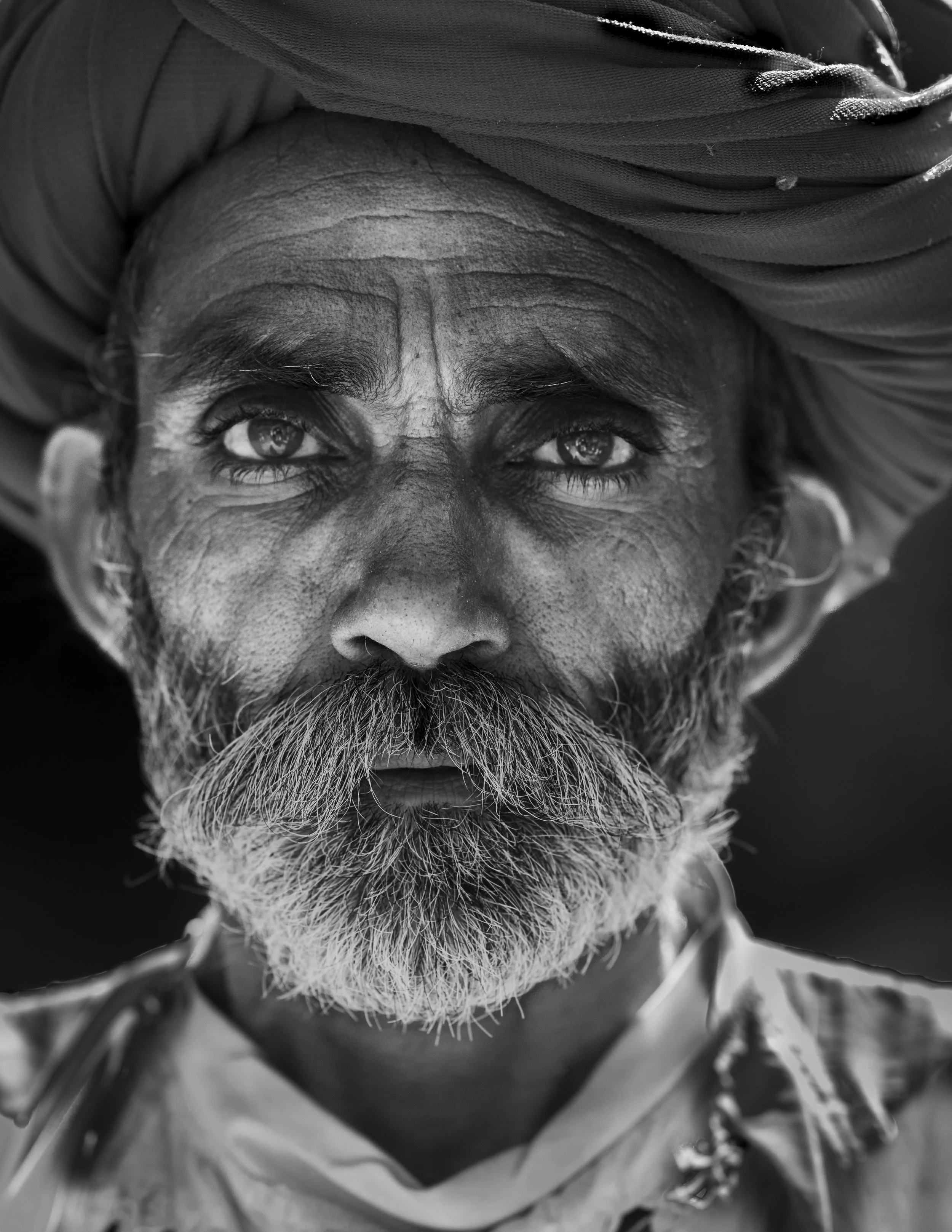
Although I took this photo of a Rabari goat herder in color, highlighting his bright red turban, I changed it to black and white so the focus is his arresting gaze. I captured this picture in a small town near Jawai, Rajasthan when he stepped on a white floor offering the beautiful reflected uplight.
I
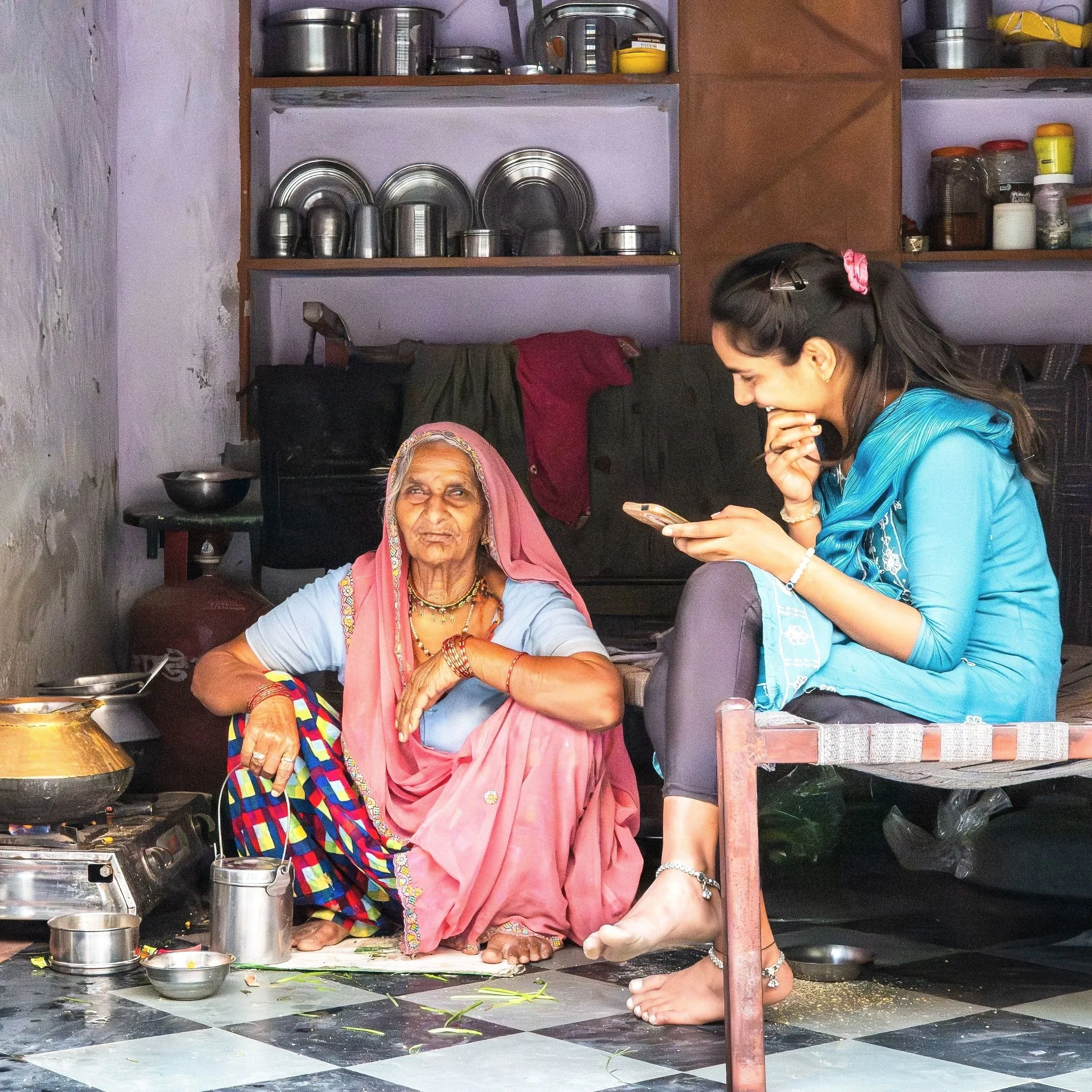
This Rabari grandmother lives a very traditional life in a small village near Jojawar, India, whereas her granddaughter is experiencing a whole new world through her cell phone. I was so pleased to capture the warmth the granddaughter shows to her elder.
Click on arrows to see more photos.
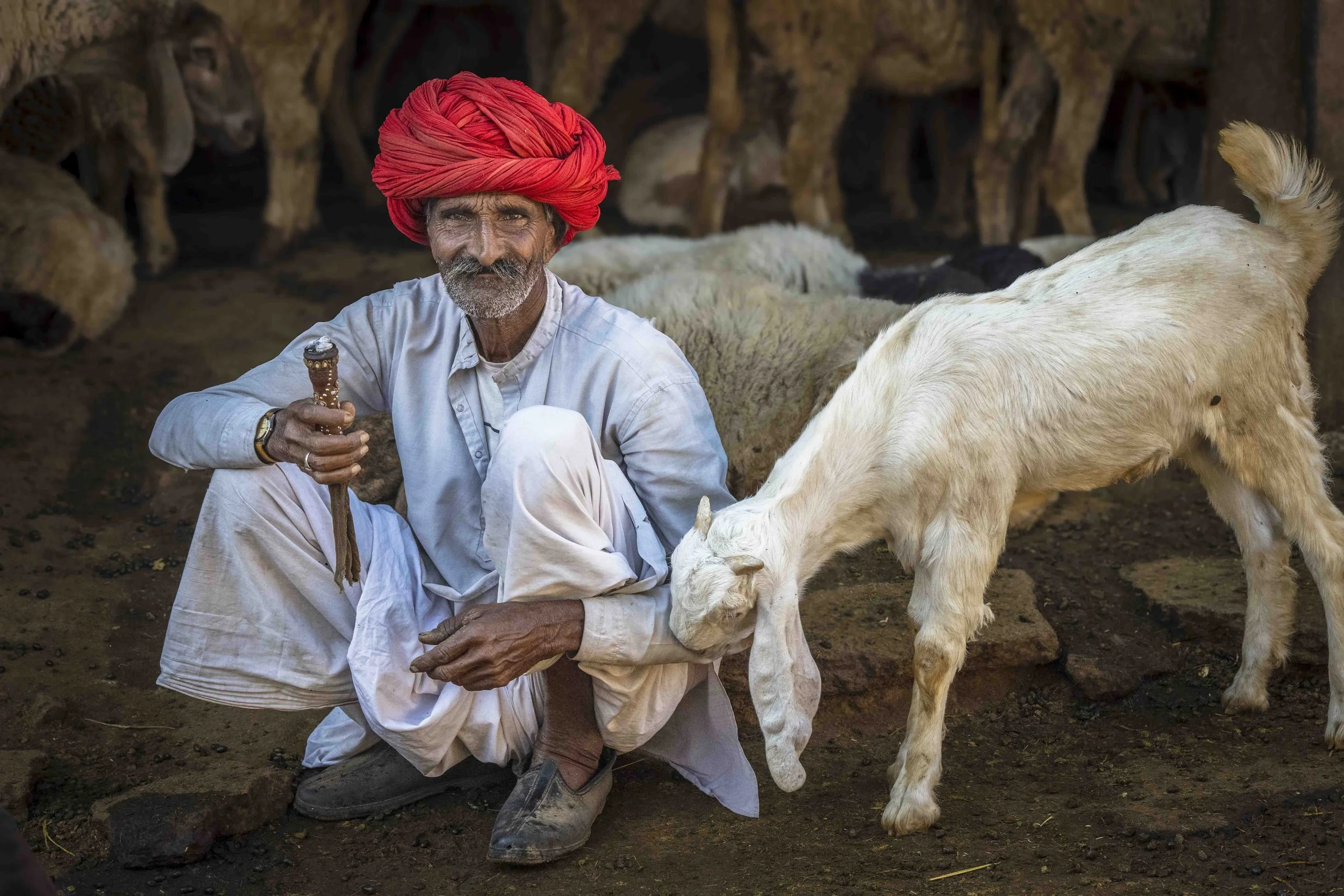
This Rabari herder in a traditional red turban posed with his goats and pipe. Rabari men often gather socially and share a pipe. The closeness he experiences with his goats and his warm gaze drew me to take this photo.
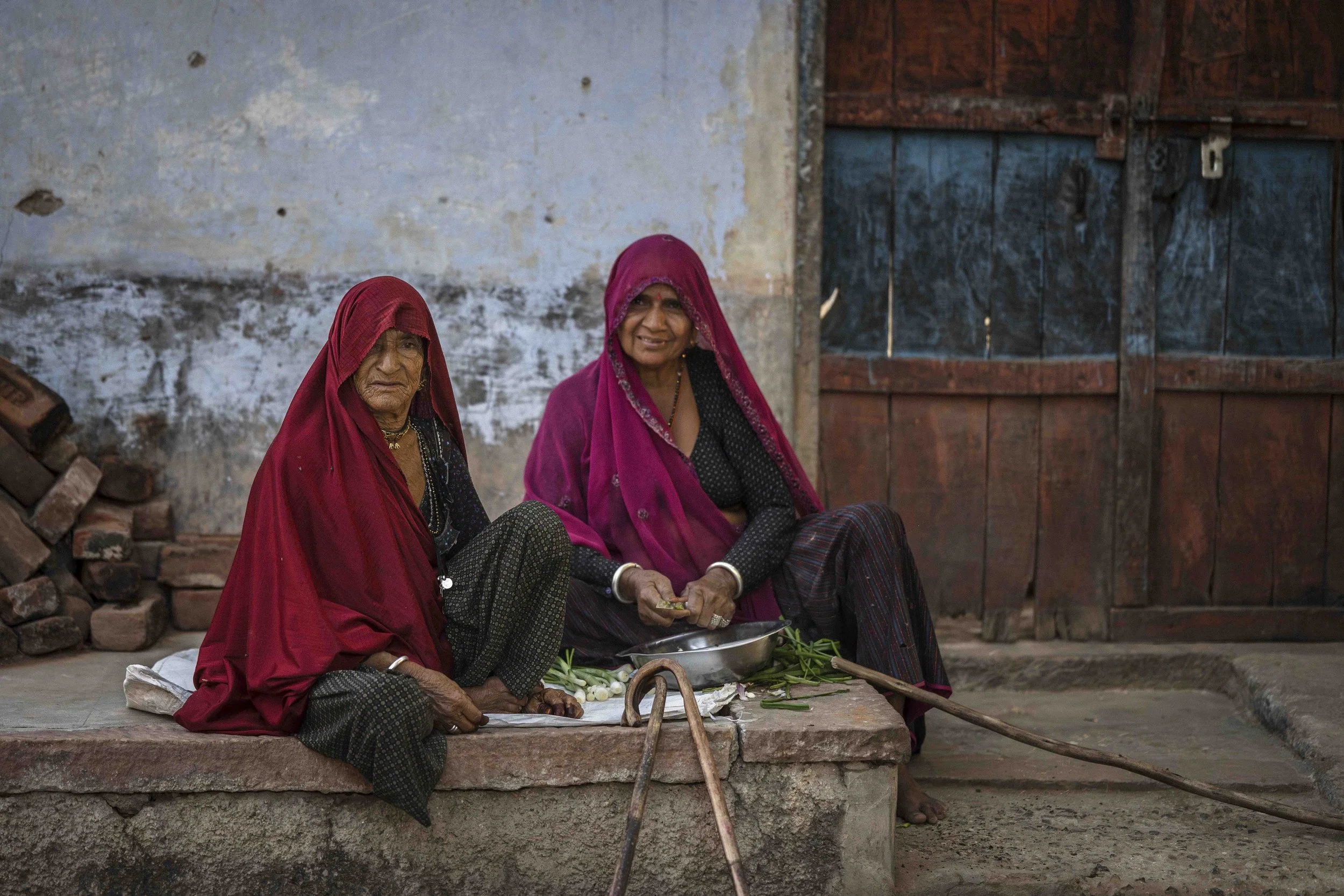
Rabari women often share daily tasks. Capturing them working together was the essence of this warm community.
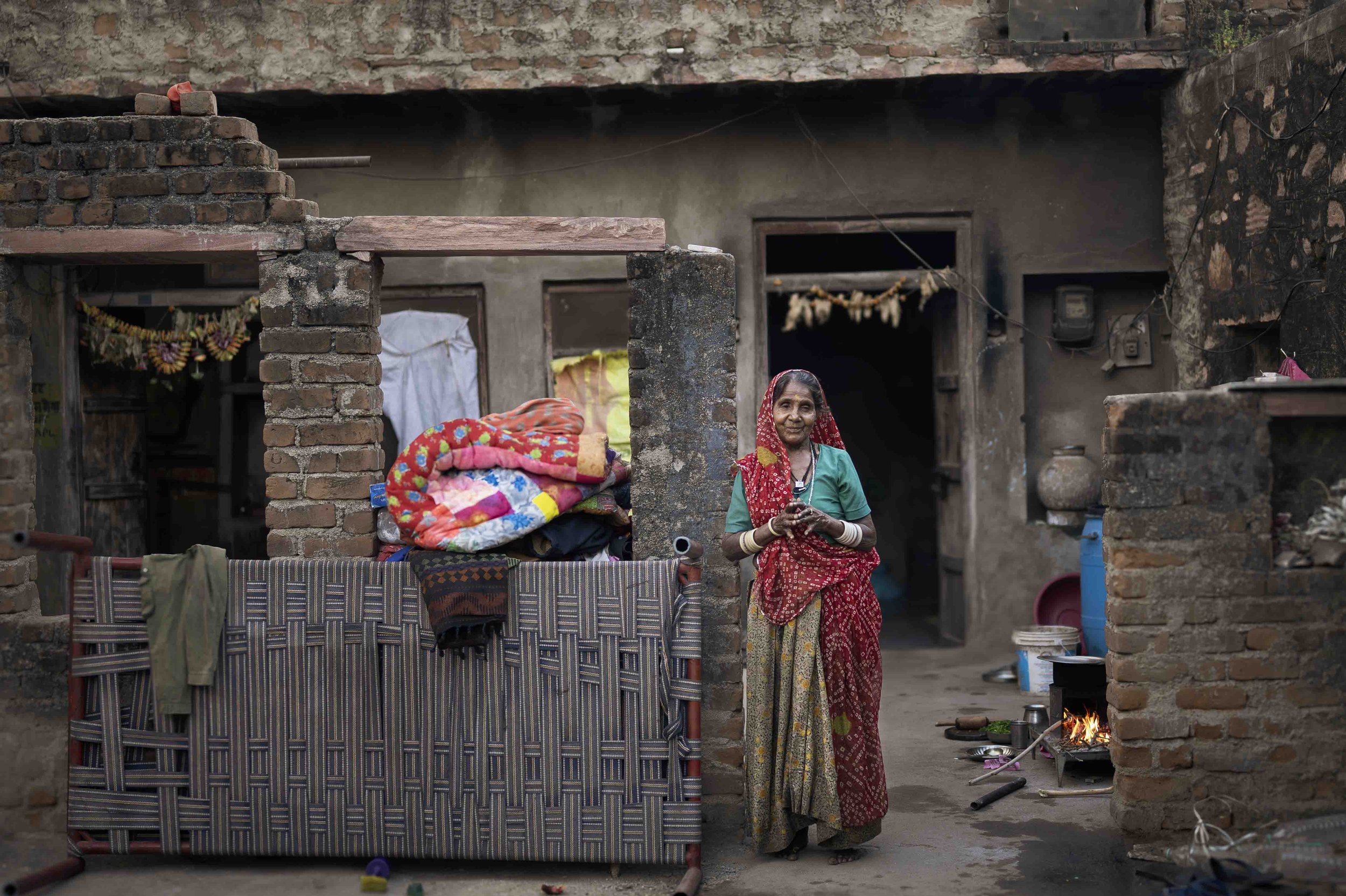
This lovely Rabari woman paused making breakfast on her wood-fired stove to greet me.
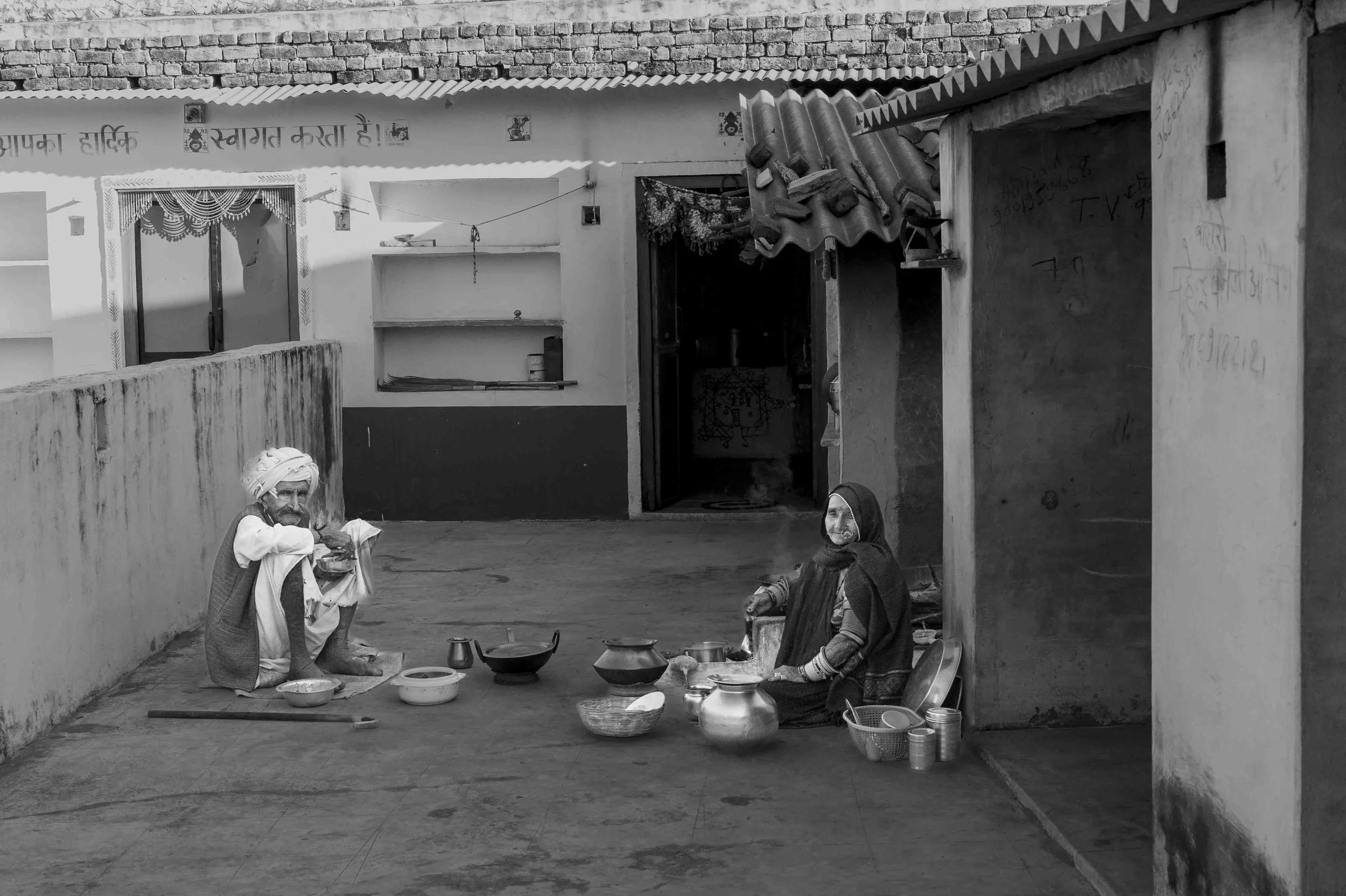
This Rabari couple eats a traditional breakfast in their courtyard, with bread and other dishes cooked over a wood stove.
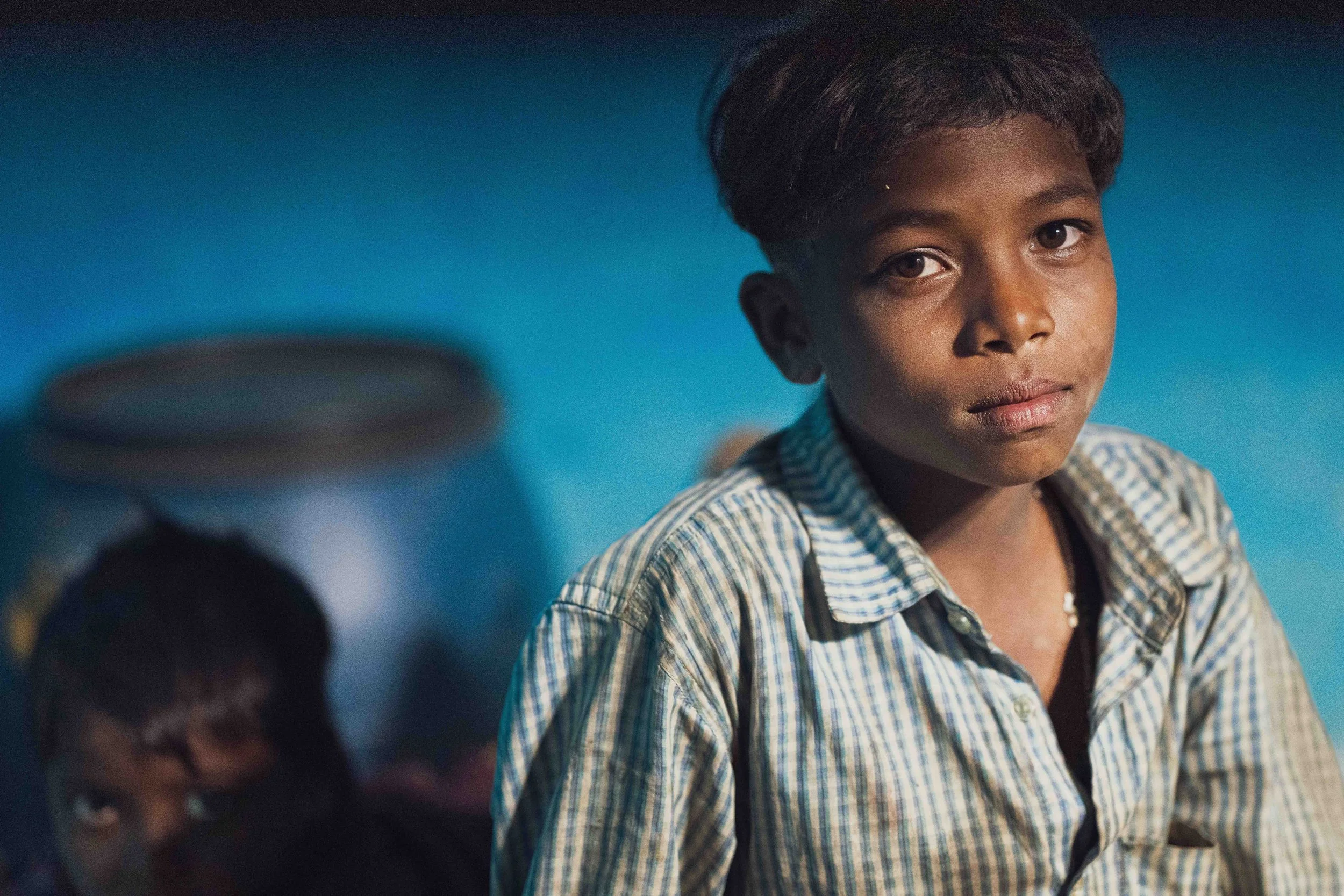
This young boy, with an air of melancholy about him, posed in the family bedroom as his younger brother looked on. His multi-generational family home was in a small village in Central India.
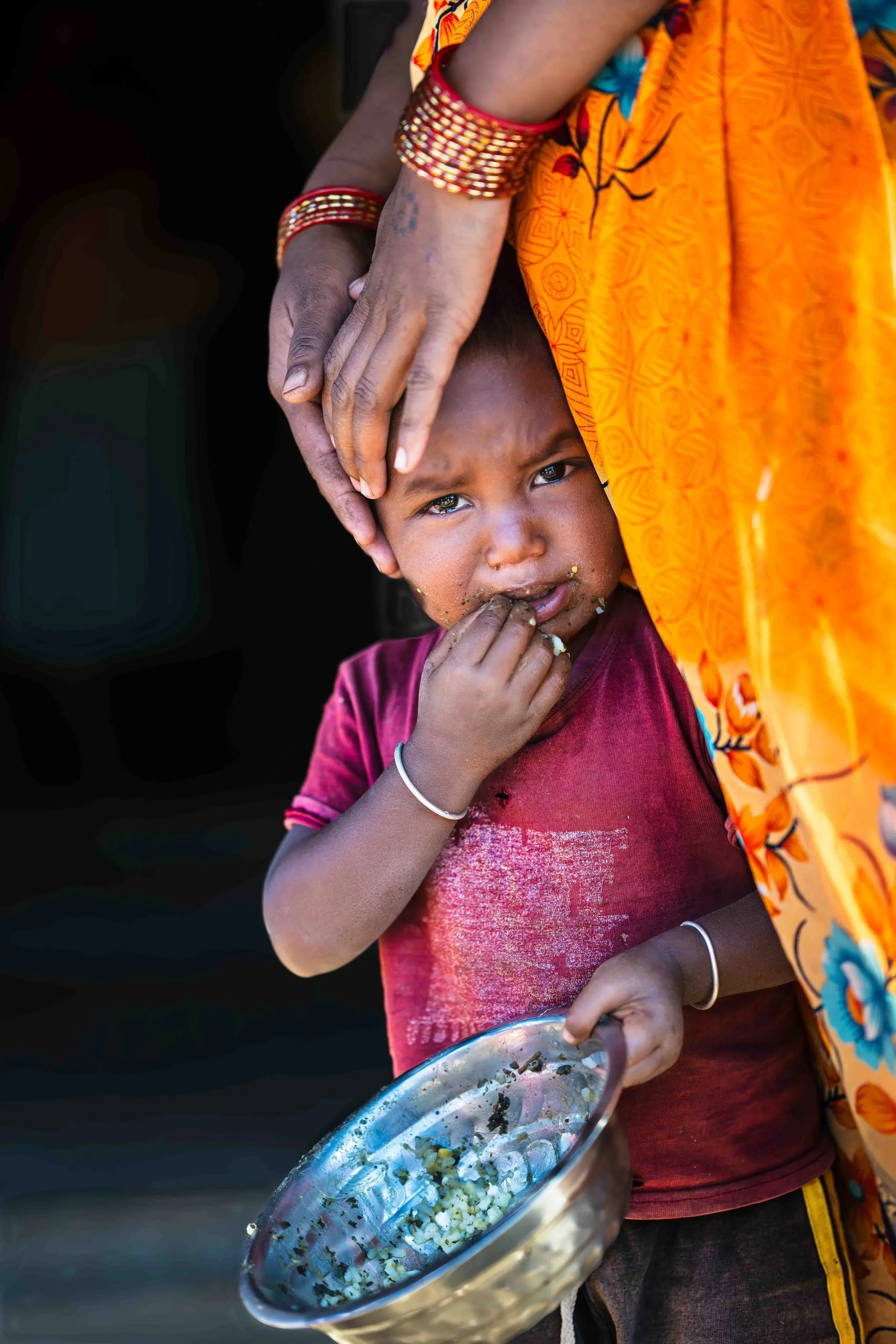
This small boy was with his mother as the women in this small village in Central India were outside in the heat of the day cleaning clothes, dishes, and themselves at a communal village pump. He was unhappy prior to my approaching and, perhaps, was also unhappy with my taking his photo.
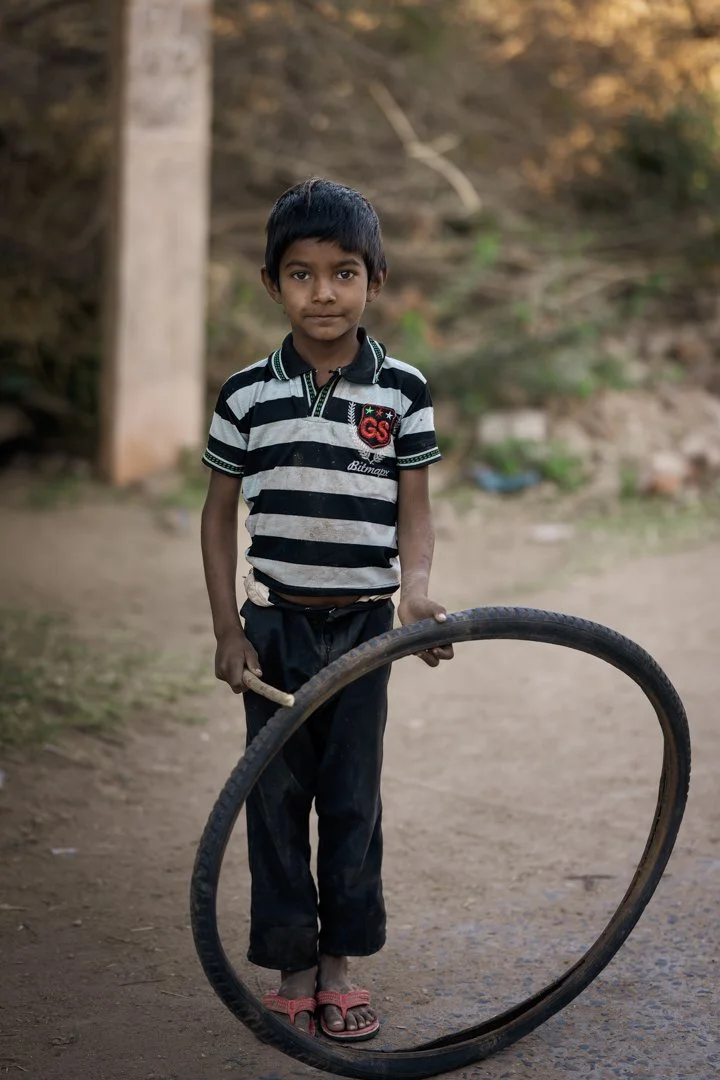
This lad was playing by himself in a rural village in Central India.
Vietnam
While traveling in Vietnam, I was constantly aware of the United States’ involvement in the Vietnam War pitting the North (supported by the Soviet Union and China) against the anti-communist South (supported by the United States). Current Vietnamese culture felt to me like a dynamic blend of deep-rooted ancestral traditions and high-energy, forward-looking rapid globalization. I enjoyed photographing the lively food markets with fascinating merchants.
Images taken on trip led by Catherine Karnow.
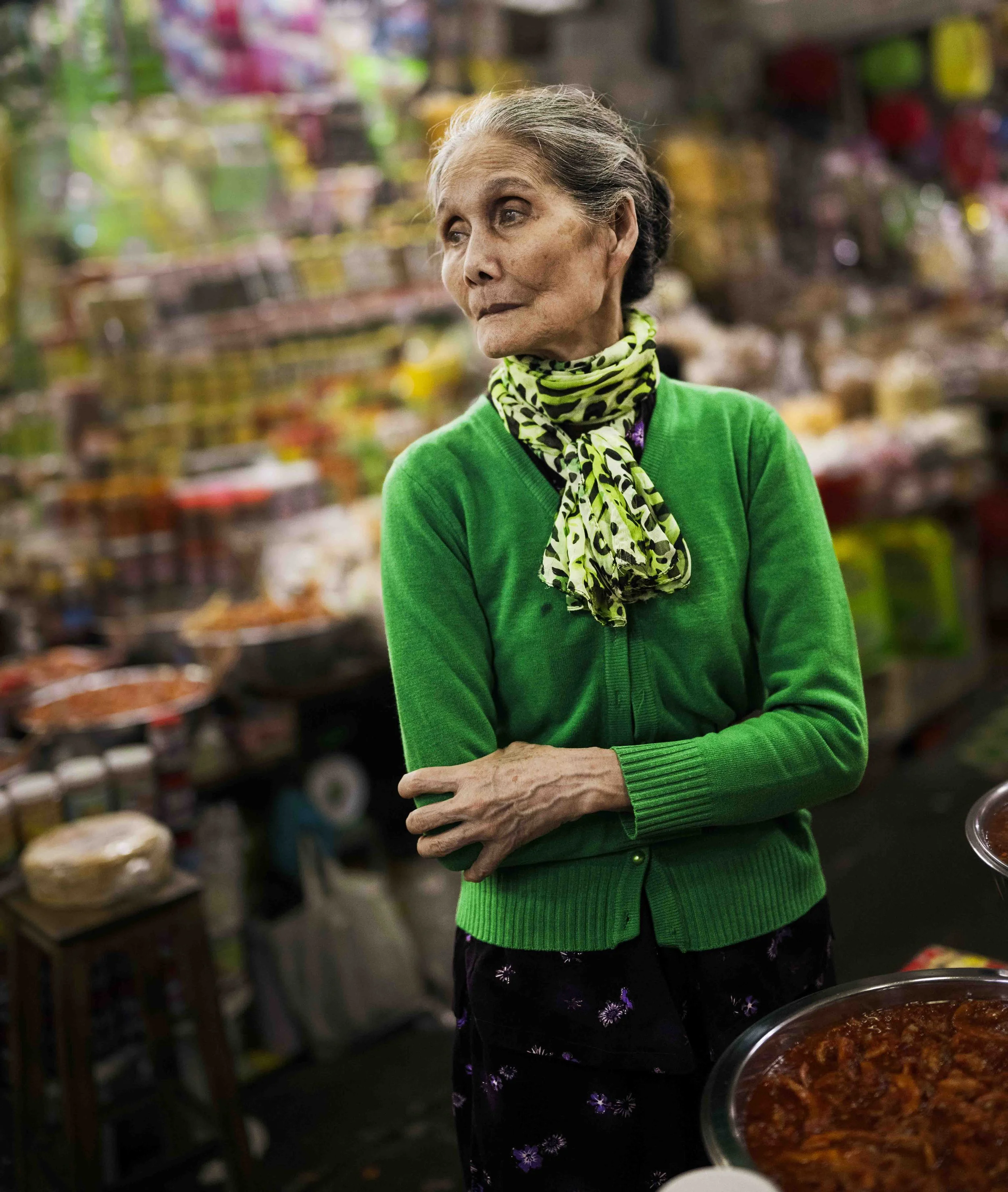
I was enchanted by this elegant woman selling peppers in a gritty food market in Hue. The Hue market is the oldest, largest, and most famous market in Central Viet Nam. This impeccably dressed woman, with her elevated posture, seemed to maintain a French style, likely learned from the French colonization of Vietnam, while appearing to keep herself above the frantic pace of this busy market.
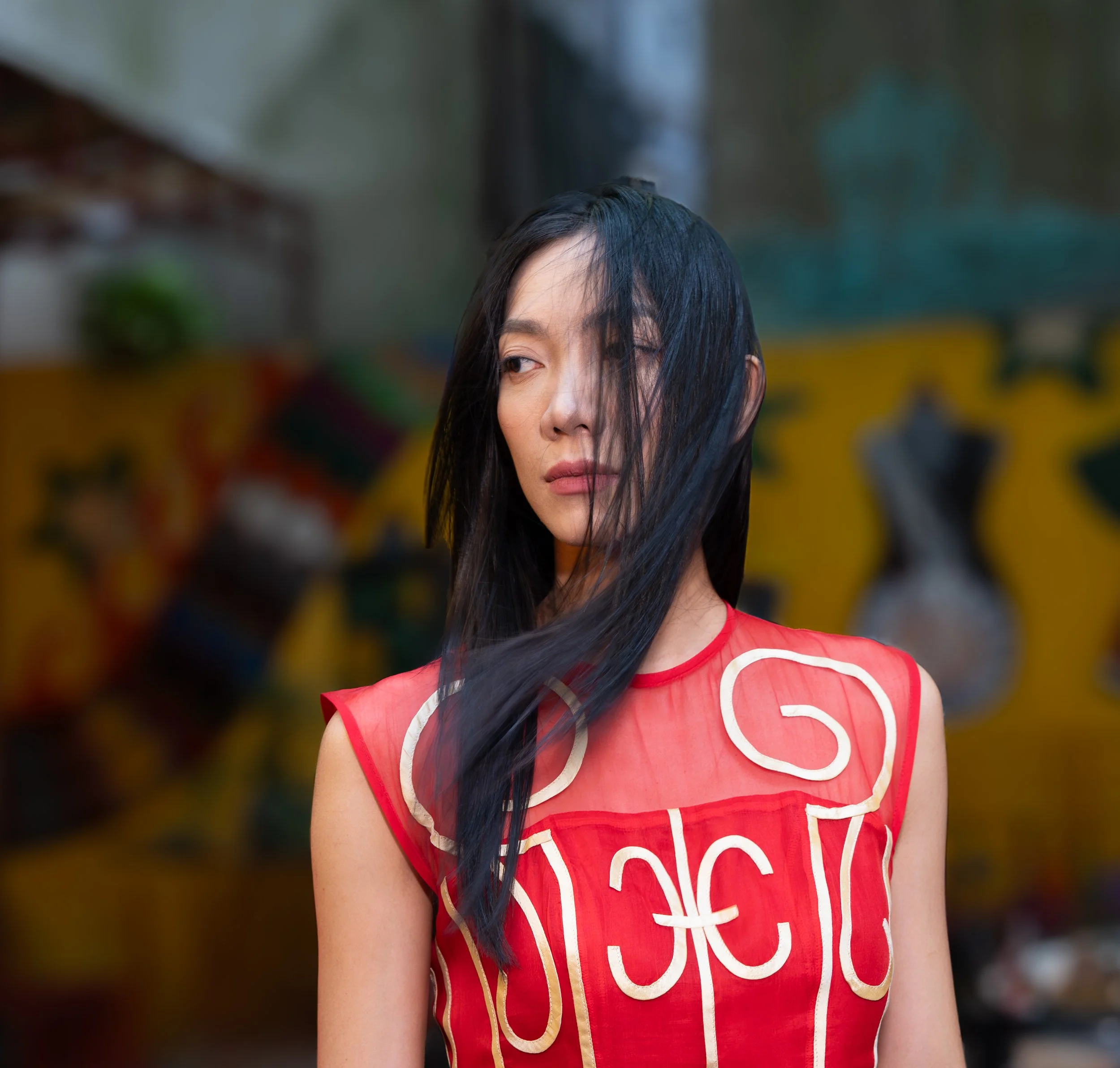
In urban Hanoi, Chula is a fashion house known for clothes that are colorful, elegant, and experimental. The co-founders Diego Cortizas del Valle and Laura Fontan from Spain moved to Hanoi and and mixed the two cultures in fashion. Their employees all have a range of disabilities and produce amazing garments. Diego passed away suddenly; Laura has found strength in maintaining the company. This beautiful model was wearing a gorgeous Chula dress.
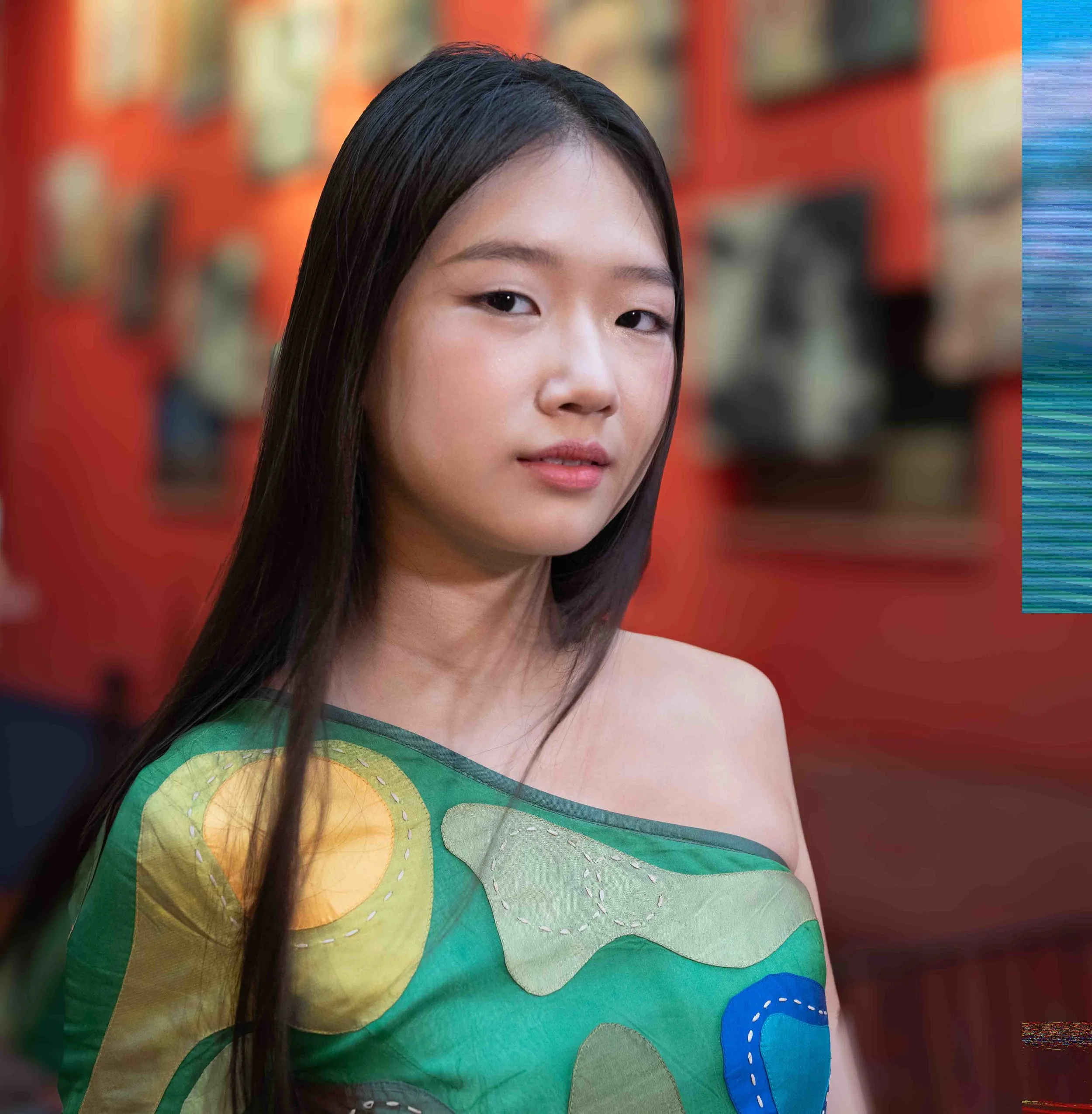
This young model was being mentored by more senior models. She often looked uncomfortable in the role, but appeared naturally elegant and confident in this photo.
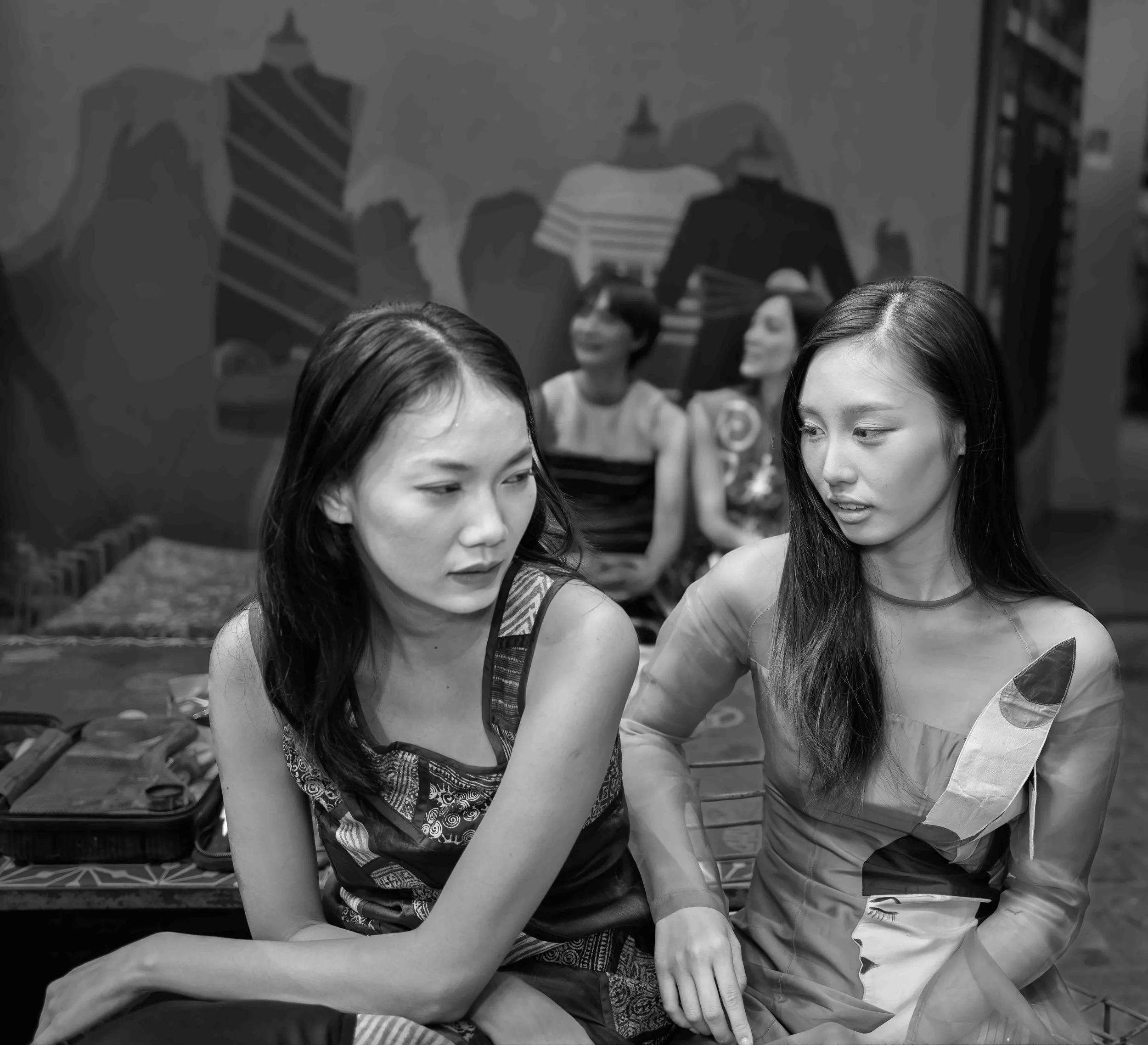
As a mental health professional, I am aware that roles objectifying women, such as modeling, can have negative impacts of mental wellbeing. The quiet moment between these two seemed revealing.
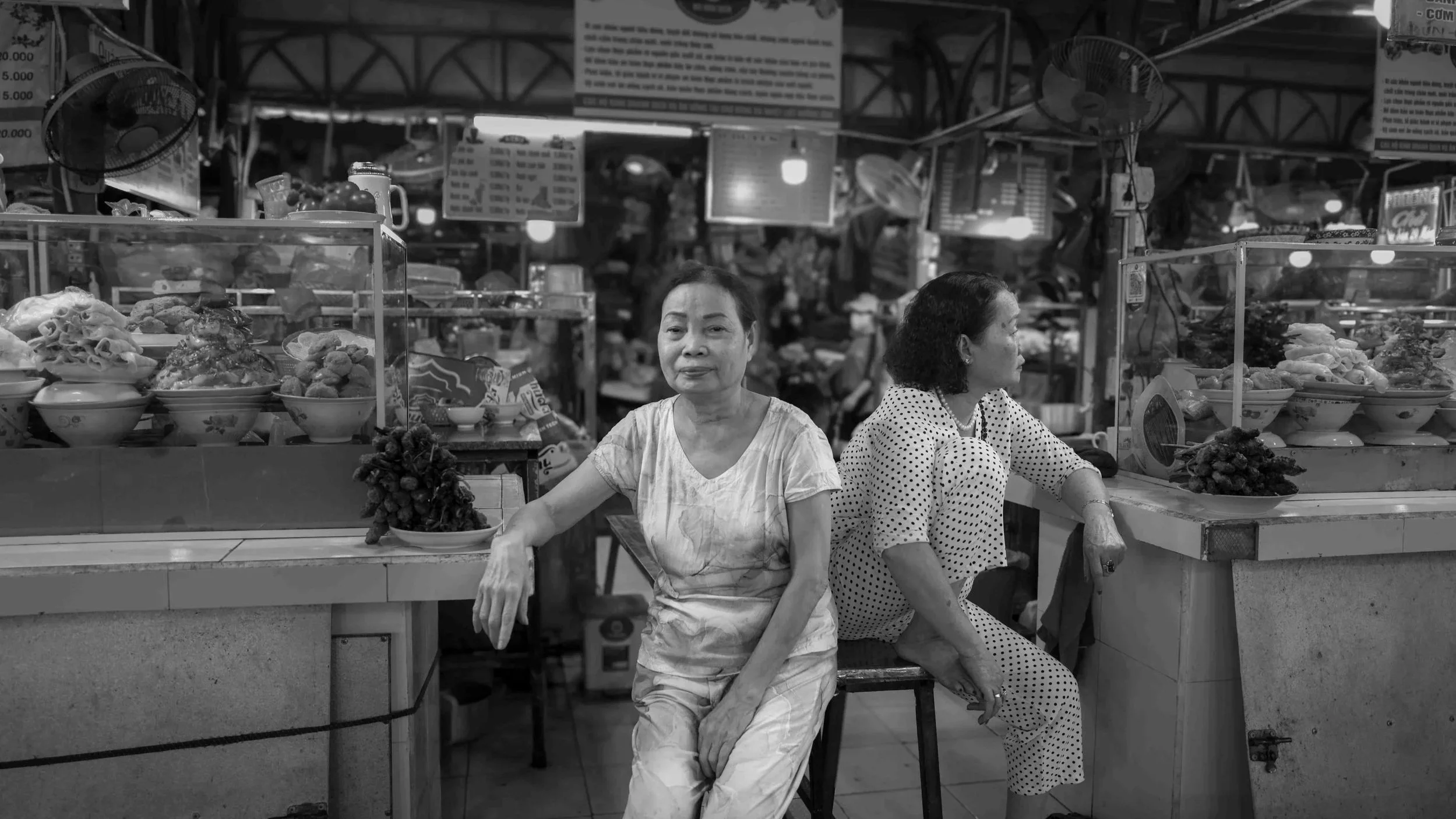
The busy food market in Hue also had some quiet times where merchants appeared bored. I photographed these sisters waiting patiently by their food stands.
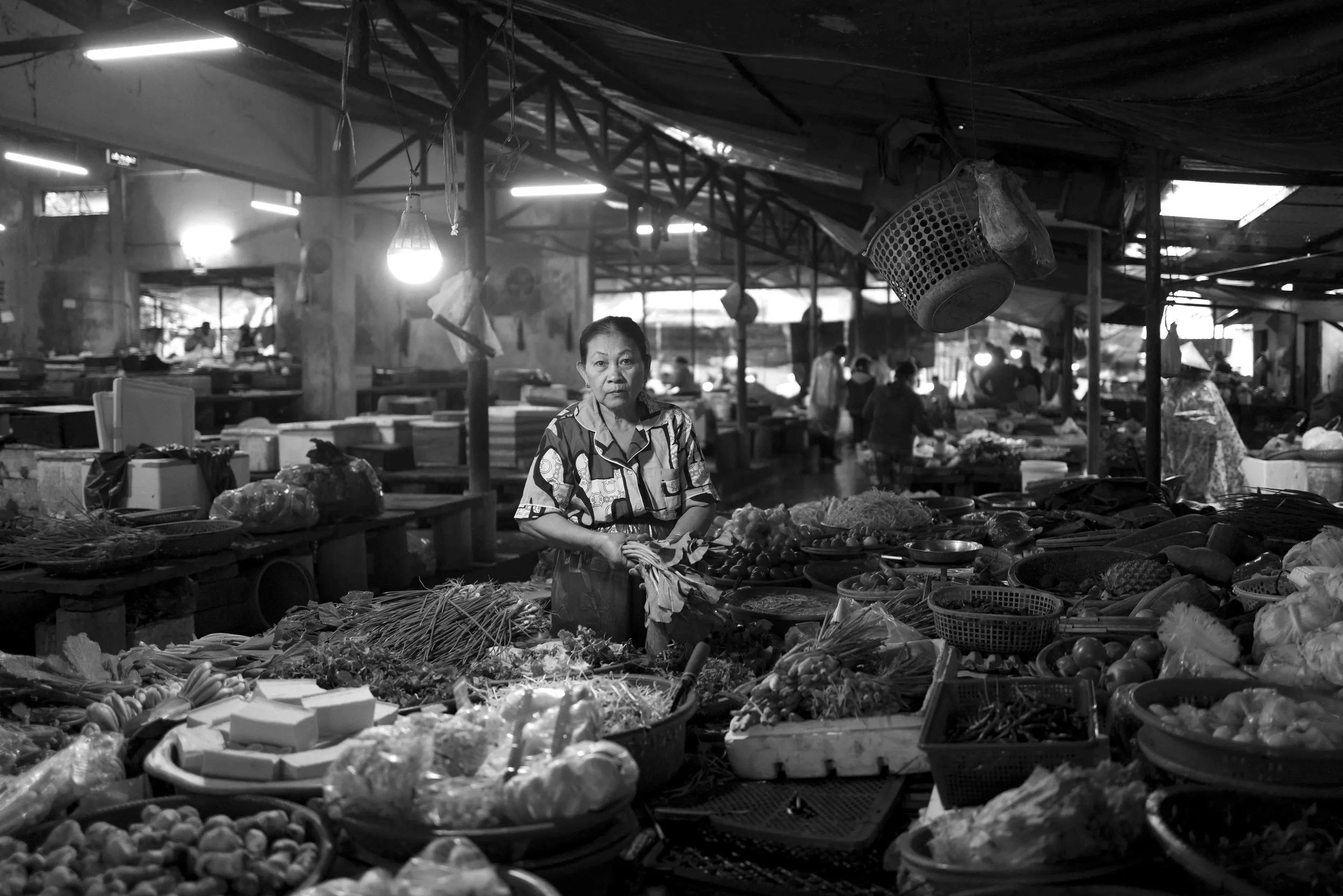
The food market in Hue was filled with fresh vegetables that make up the mainstay of the Vietnamese diet. I took this photo because I was drawn to the beautiful light illuminating this hardworking vendor.
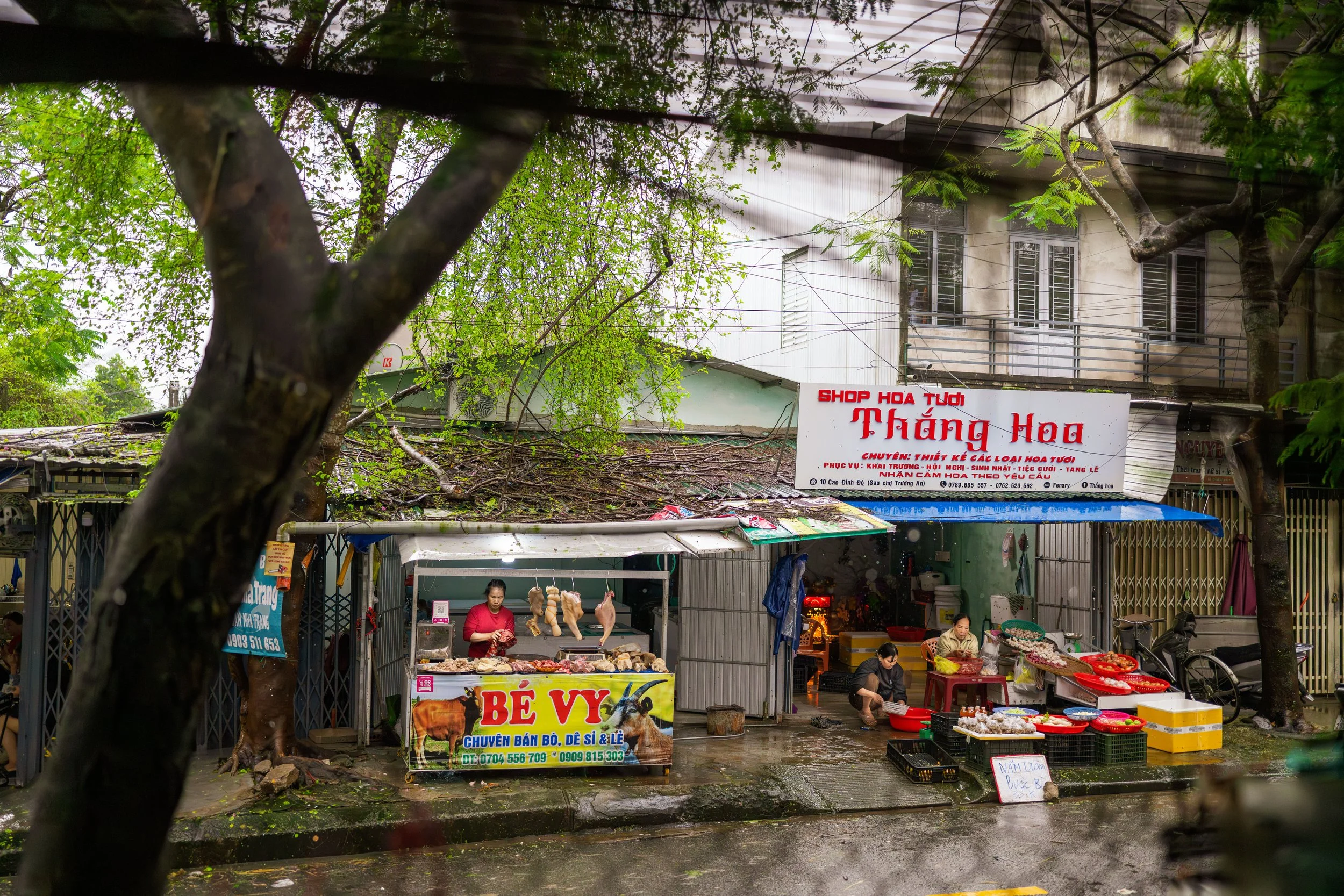
The main Hue market has spawned many in the food business to open markets on the surrounding streets.
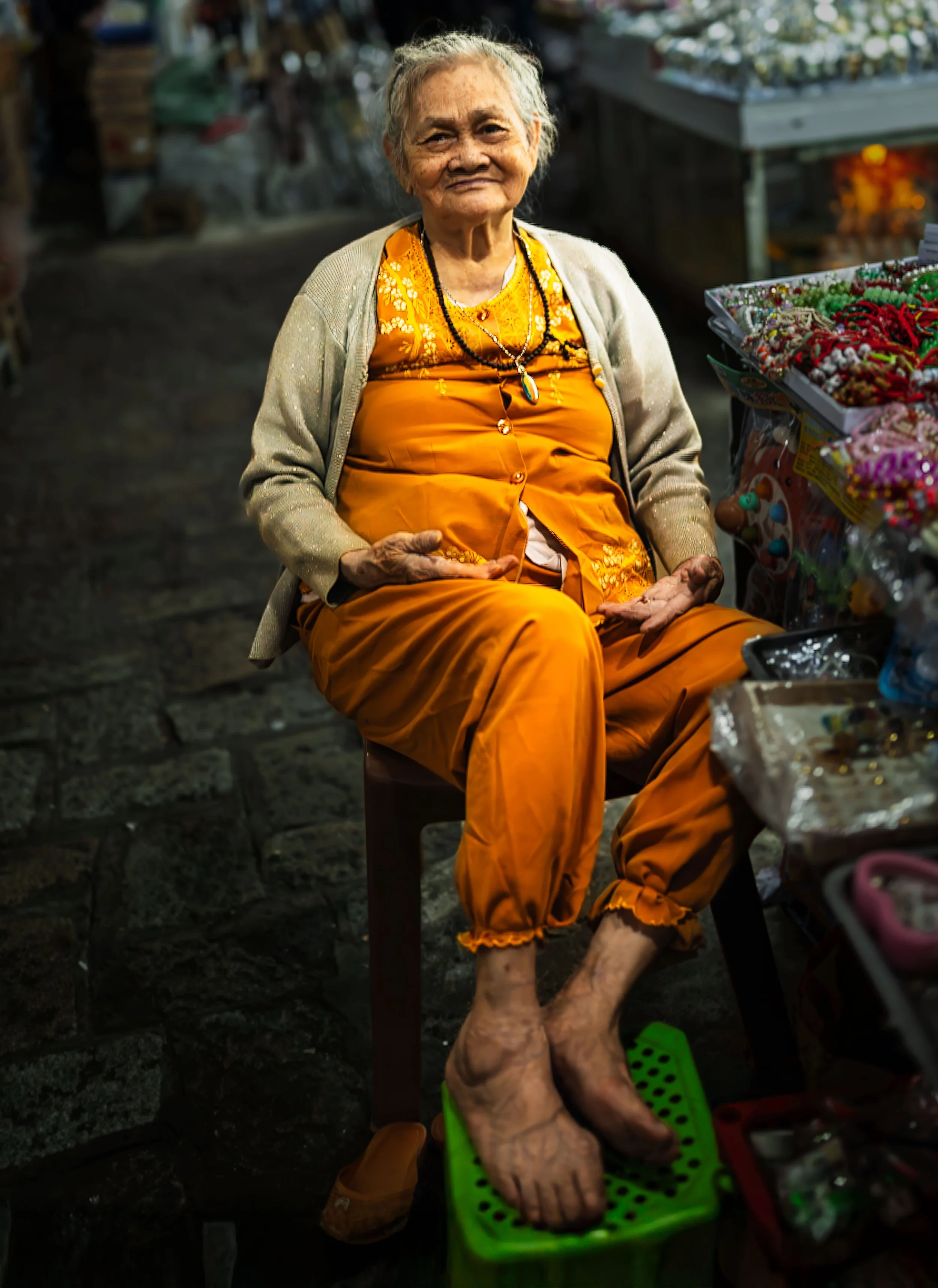
This beautiful ,older woman seemed so very comfortable with herself and her surroundings as she sold jewelry in the Hue market.
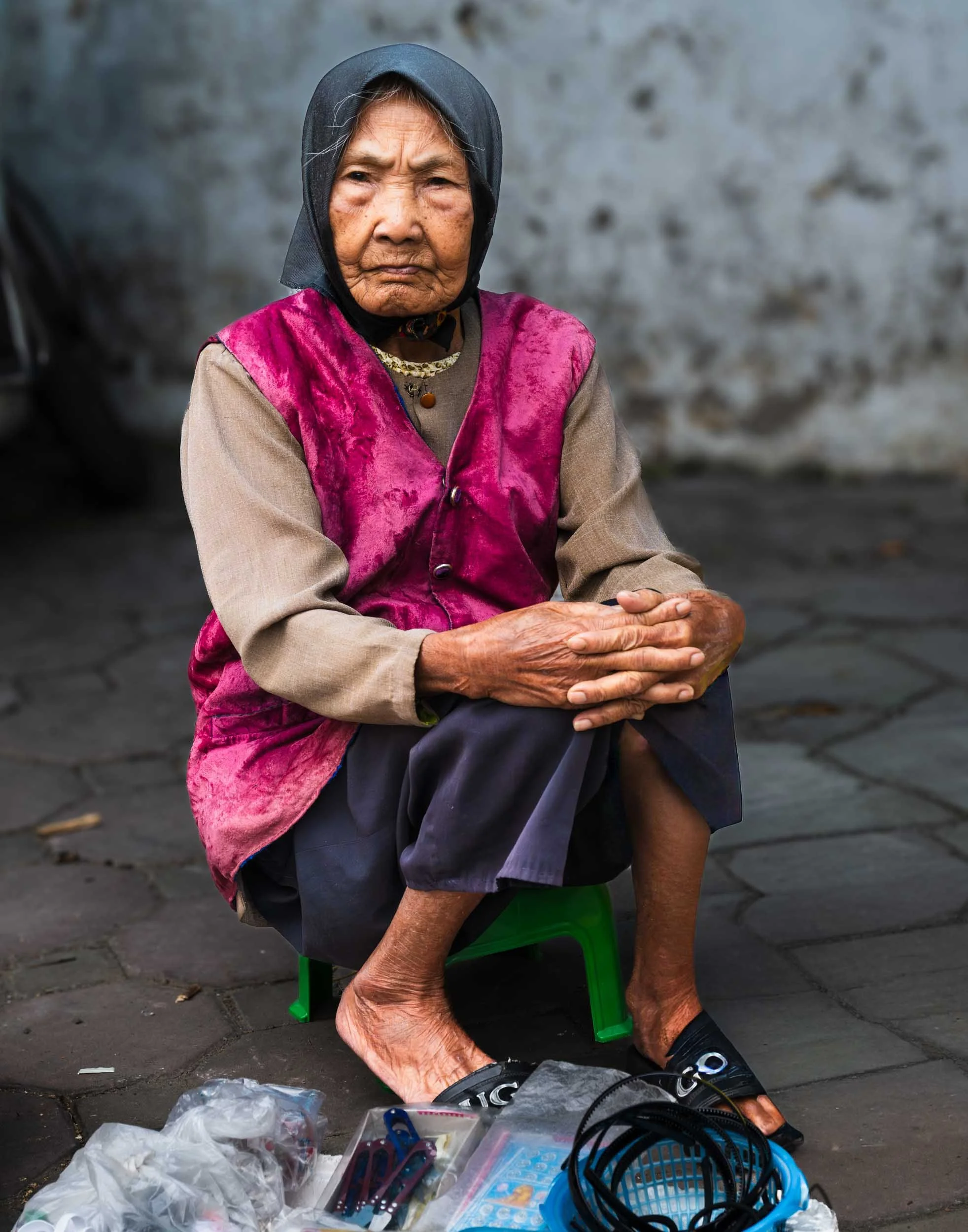
Due to insufficient pensions, many seniors in Vietnam work in the informal sector into their 70’s and older. This lovely, very dignified woman, is selling common household items on the street in Old Town Hanoi.
Cambodia
Cambodia is a country experiencing a complex era of transition. The young Prime Minister was Western-educated and is bringing a new style to government. The economy is diversifying from garment manufacturing, agriculture, and tourism to include more technology. Walking through the streets of Phnom Penh or Siem Reap today reveals a youthful society looking toward the future. Although pollution remains a problem, there is a growing push for climate resilience. Rural areas still use very traditional methods of farming and tending to animals.
Many of the people I met in Cambodia had traumatic histories related to the Pol Pot and the Khmer Rouge controlling the country 1975-1979. The Marxist policies targeted anyone they perceived as “corrupted” by Western influence or education. During this short reign, 1.7 to 2.2 million people died, nearly a quarter of the population. Hundreds of thousands were executed and buried in mass graves. Many more died from extreme forced overwork and famine, as well as injuries from landmines buried throughout the country. I was so impressed with the warmth and generosity of the people who had suffered through the draconian policies in the past.
Images taken on trip led by Catherine Karnow.
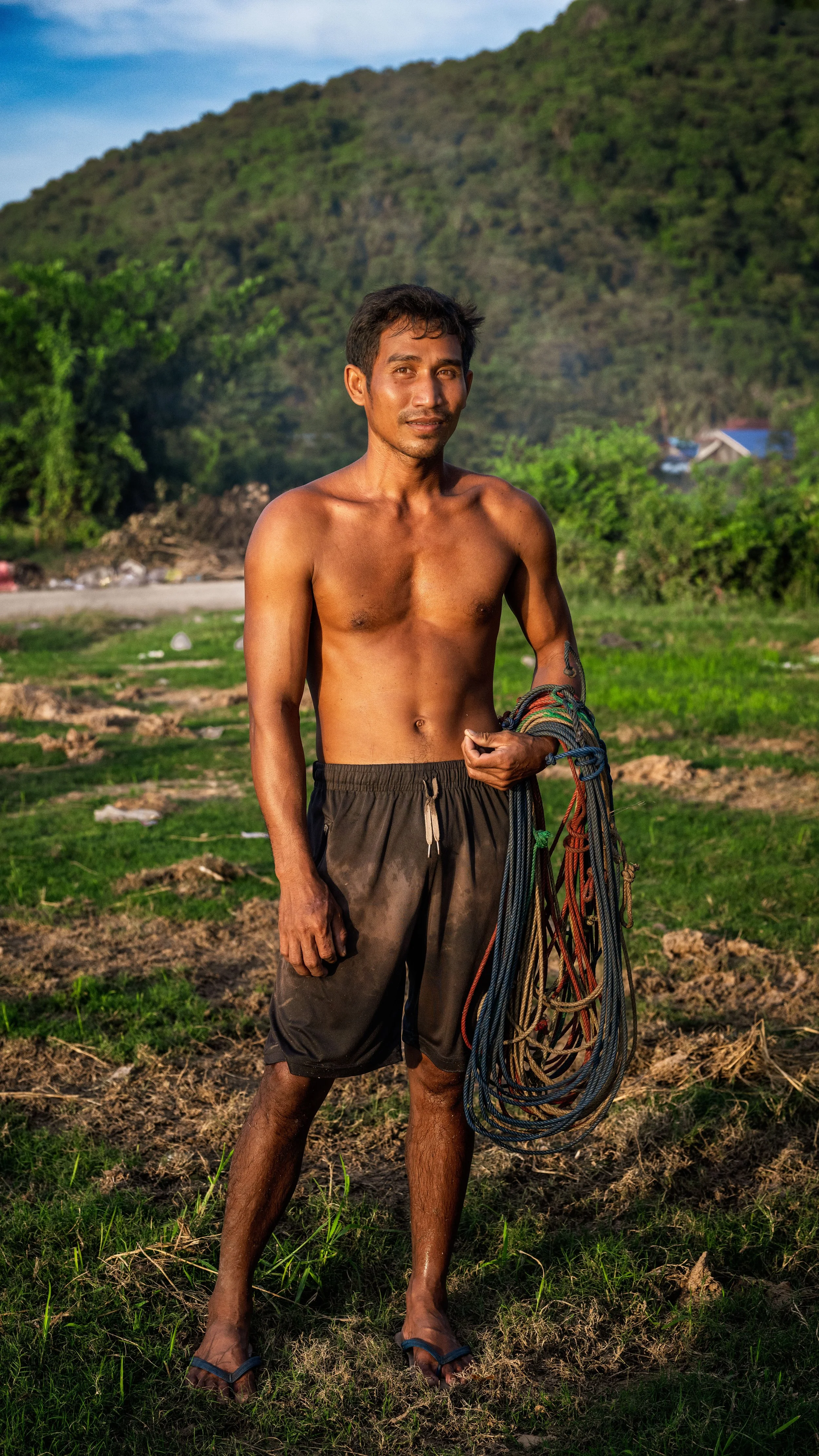
In the countryside near Battambang, this young man was bringing his family’s cows in to the family paddock in the early evening.
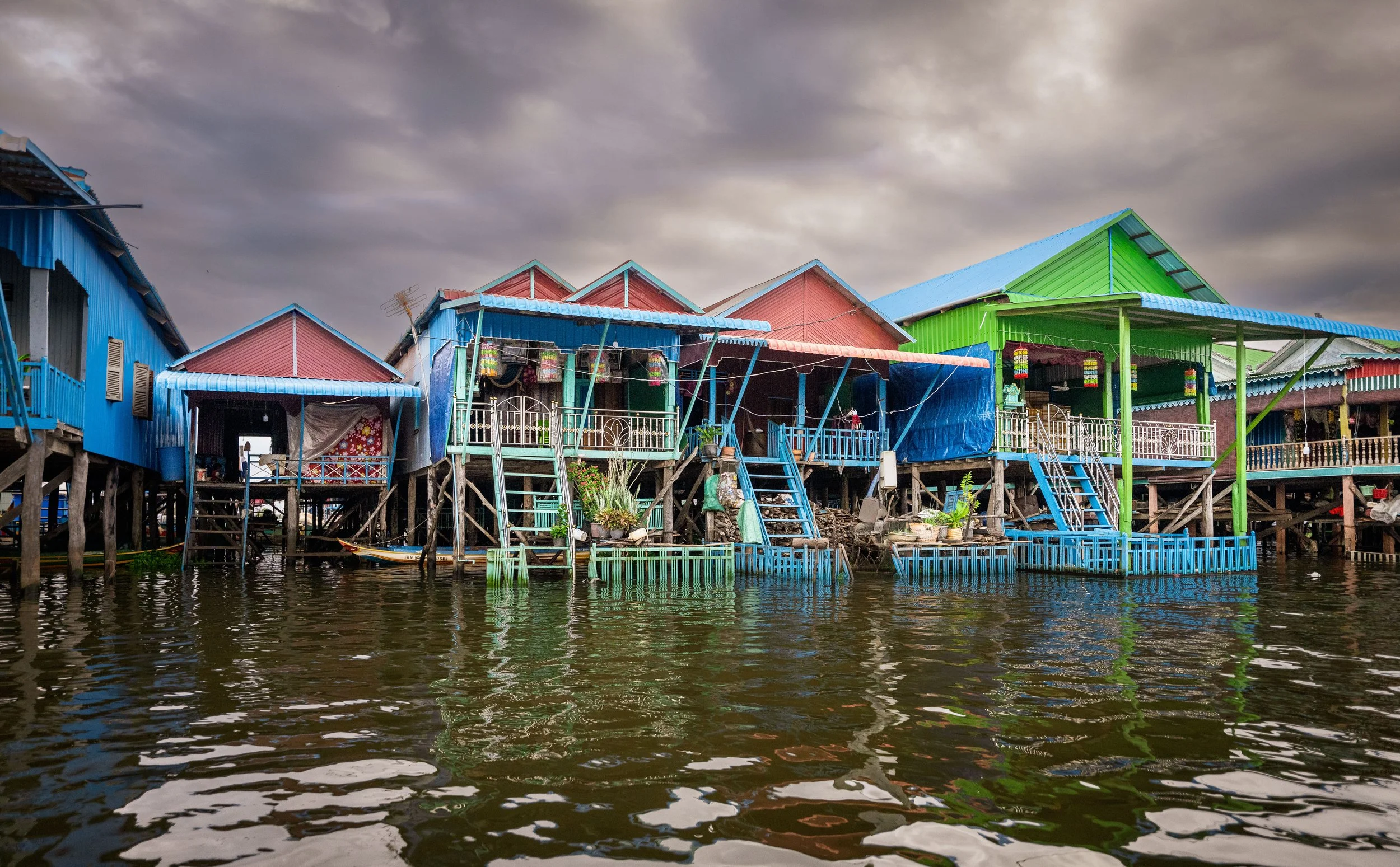
The floating village of Tonle Sap Lake is a profound example of human adaptation. Tonle Lake is Southeast Asia's larges freshwater lake. The water levels fluctuate dramatically depending on the season. During the rainy season, shown here, the lake is more than five times the size as in the dry season. The colorful homes are perched atop massive poles than can reach up to 30 feet high. During the dry season, they are towering structures on dry land. As shown here, the water rises to near the floorboards, and the village is accessible only by boat.
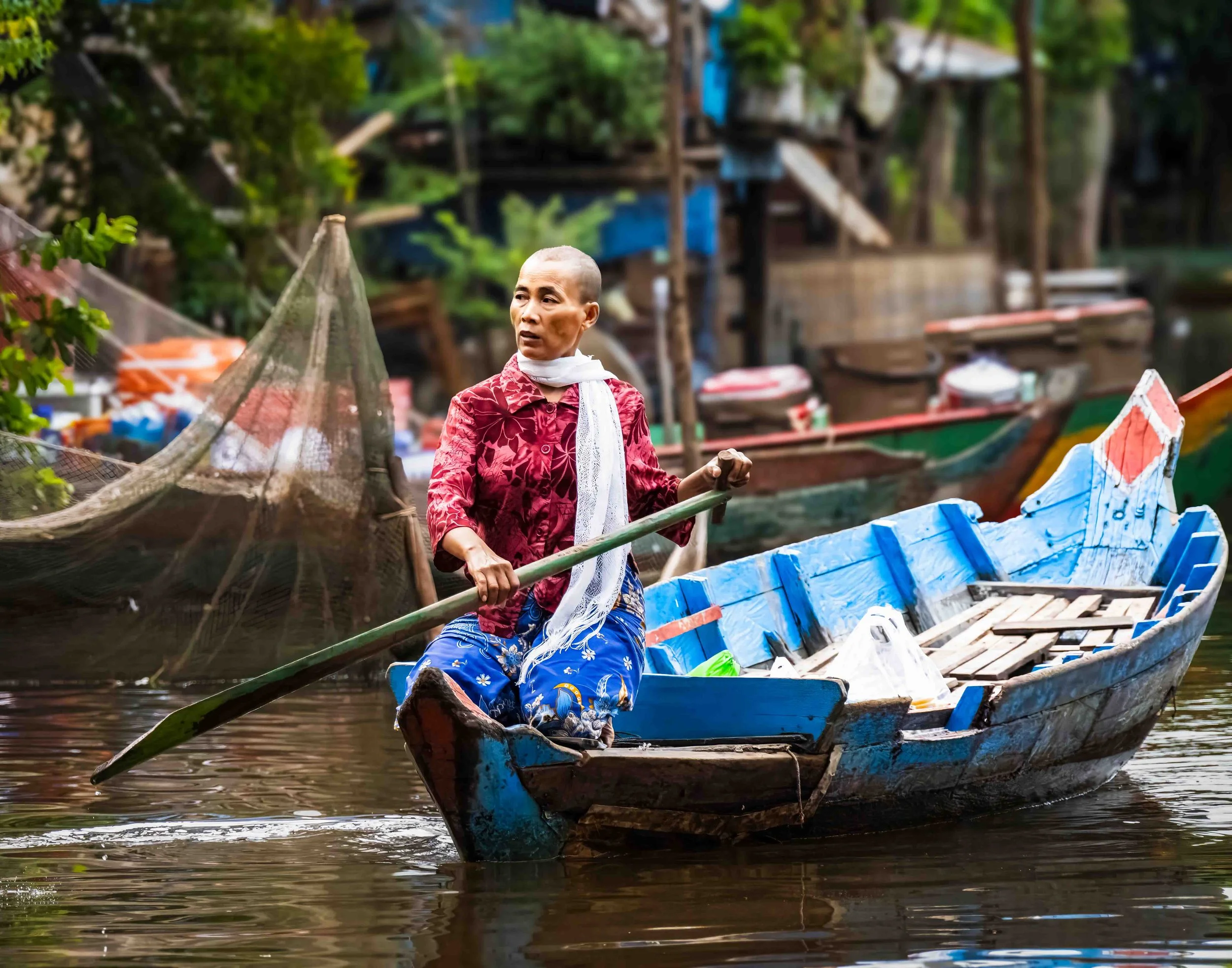
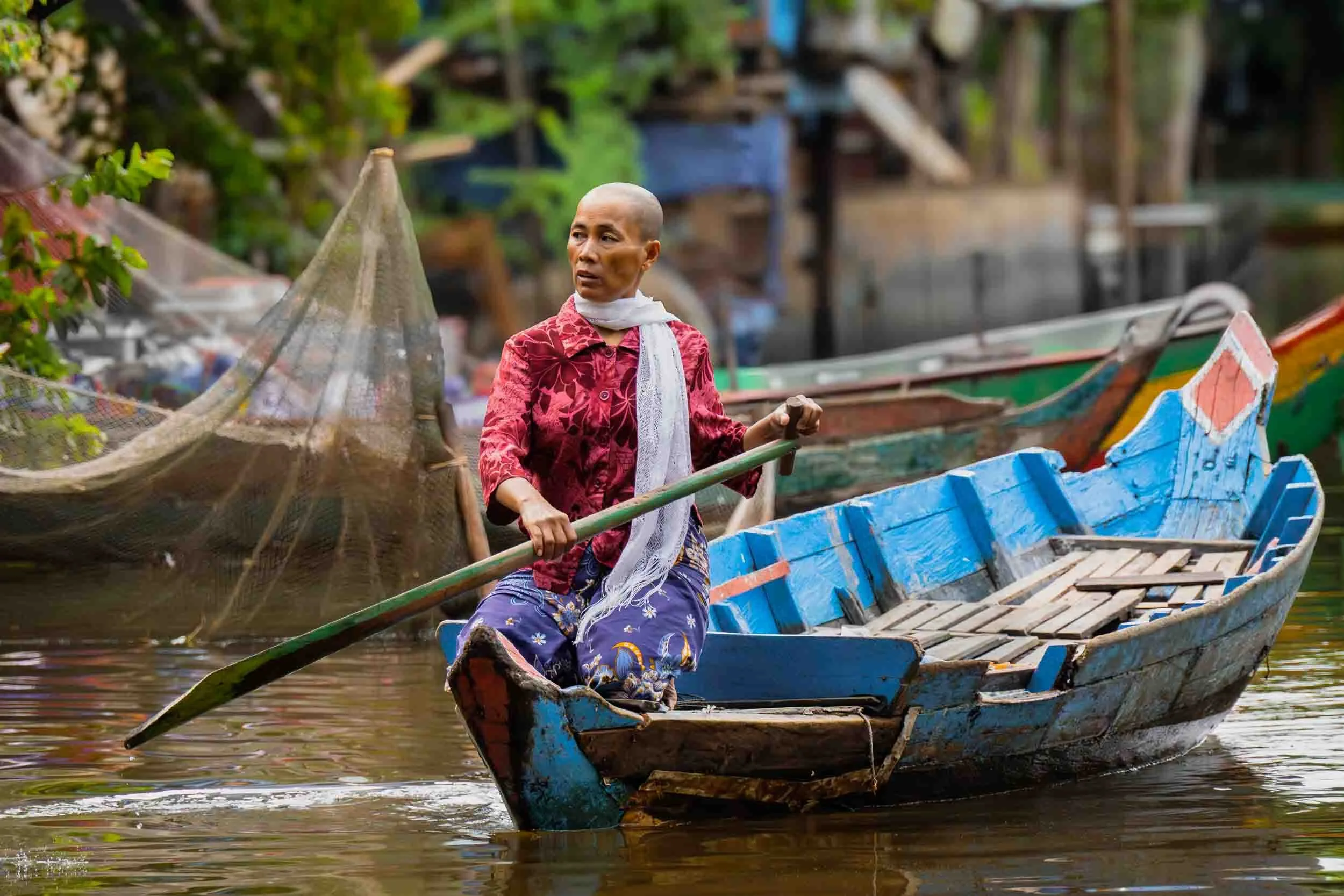
This woman is bringing supplies to the community Pagoda for a water festival. Her shaved head likely signifies that she is a widow in mourning.
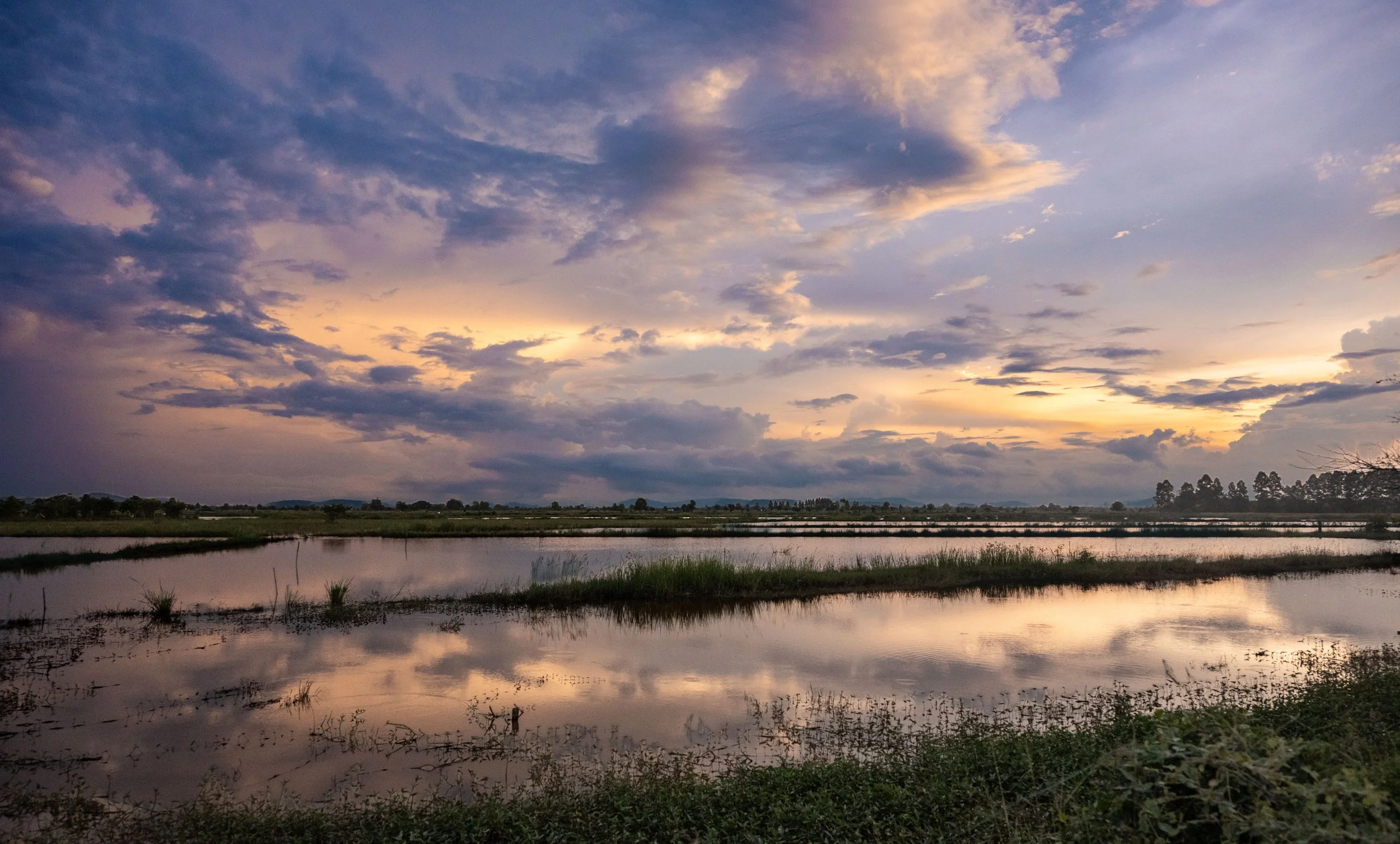
This photo, captured outside Battambang, depicts the land just after the rainy season.
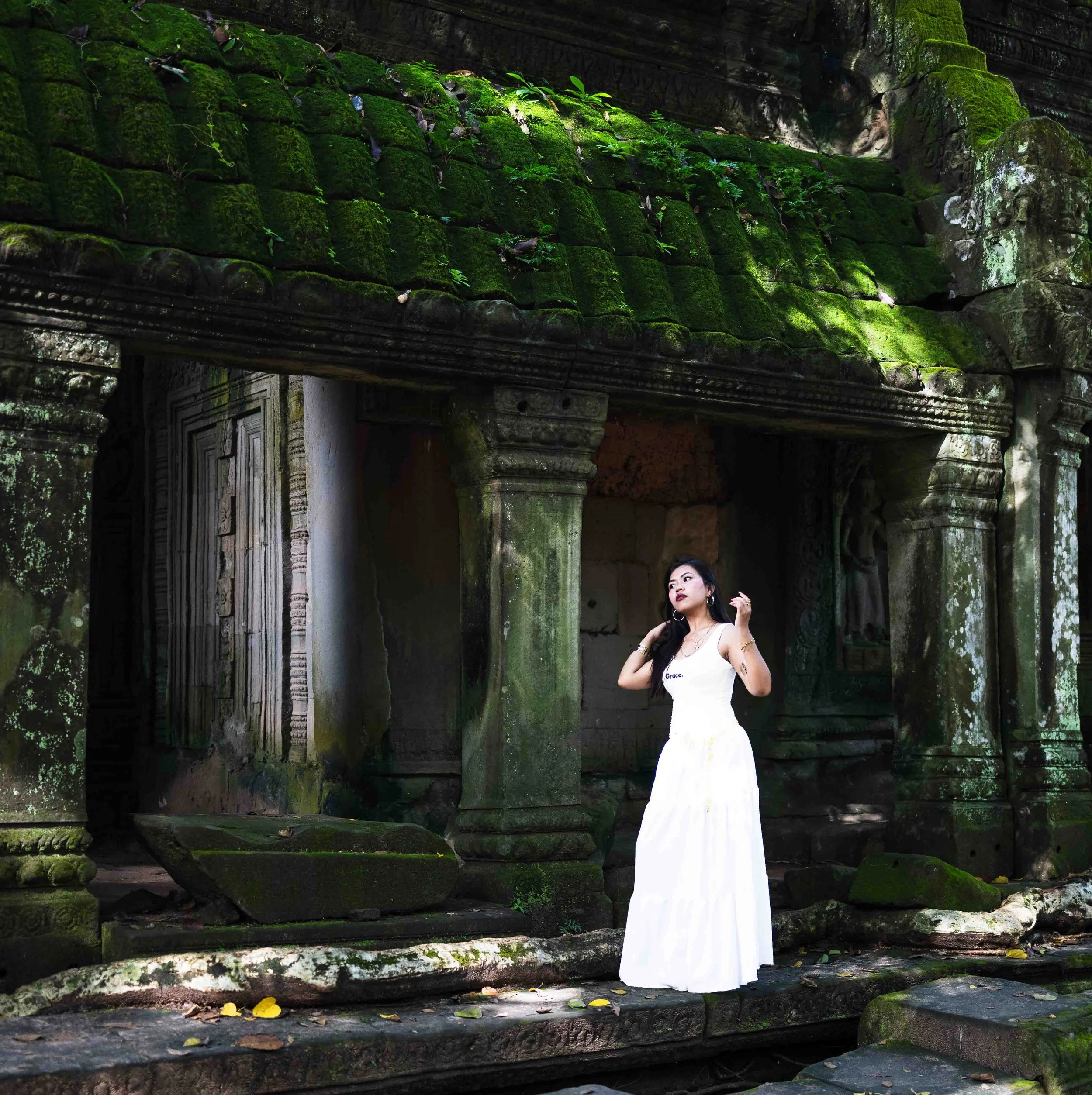
This is a candidate picture of this lovely woman visiting Angkor Wat.
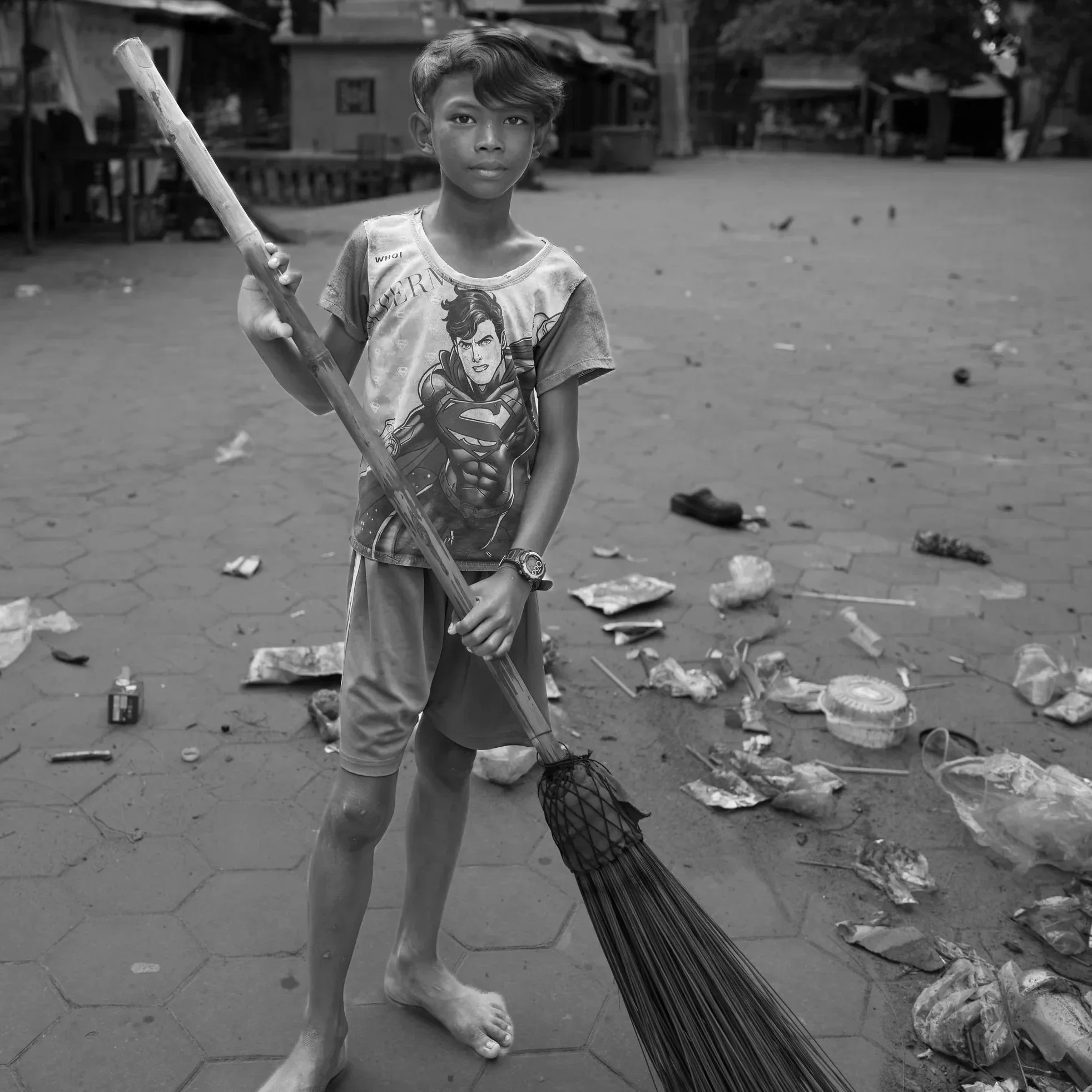
This photo was taken on dry land at the edge of the Tonle lake floating village. The beauty of this boy juxtaposed with the trash drew me to take this photo.
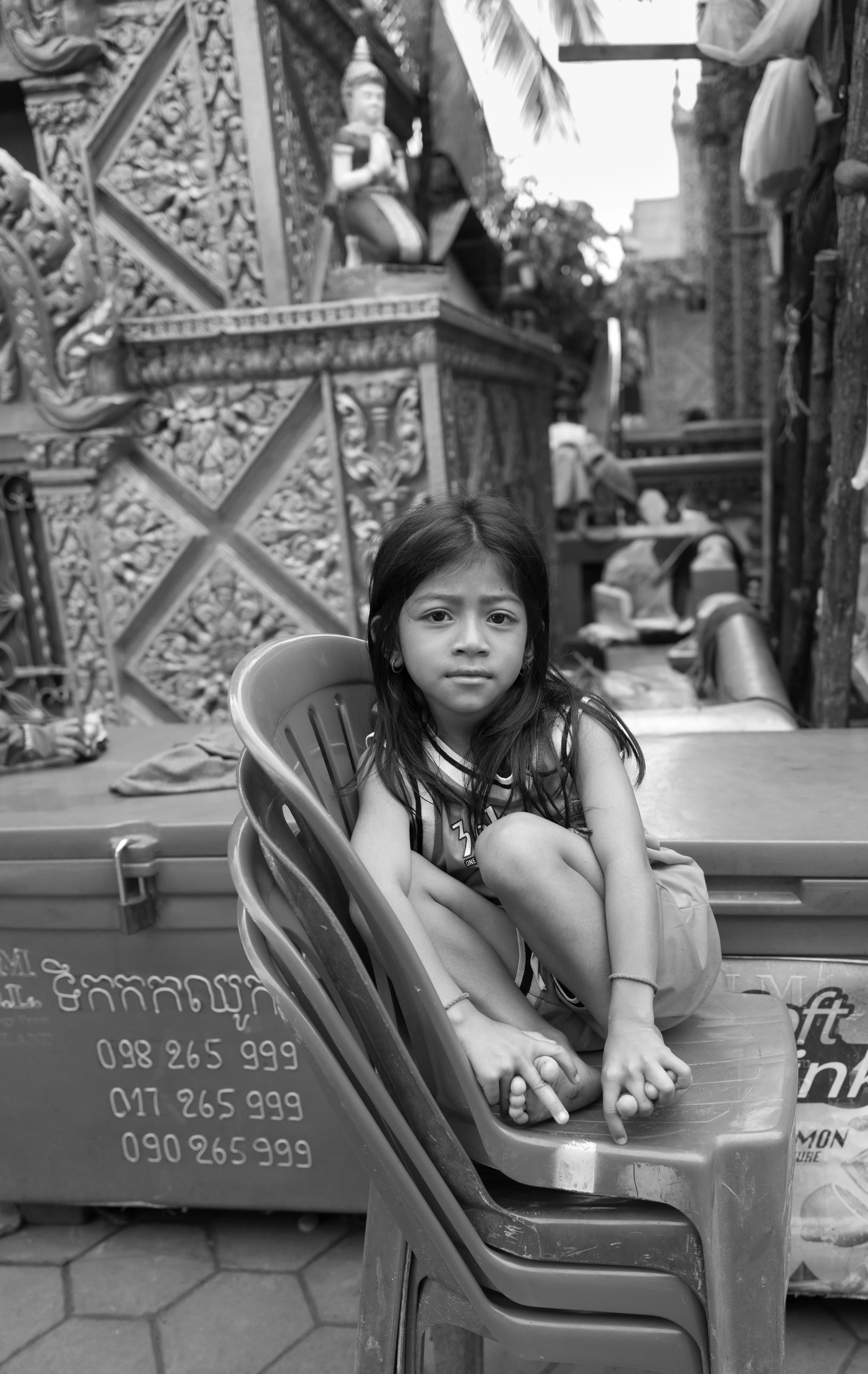
This young girl was waiting patiently on dry land at the edge of Tonle Lake floating village. I hoped to capture her confident demeanor.
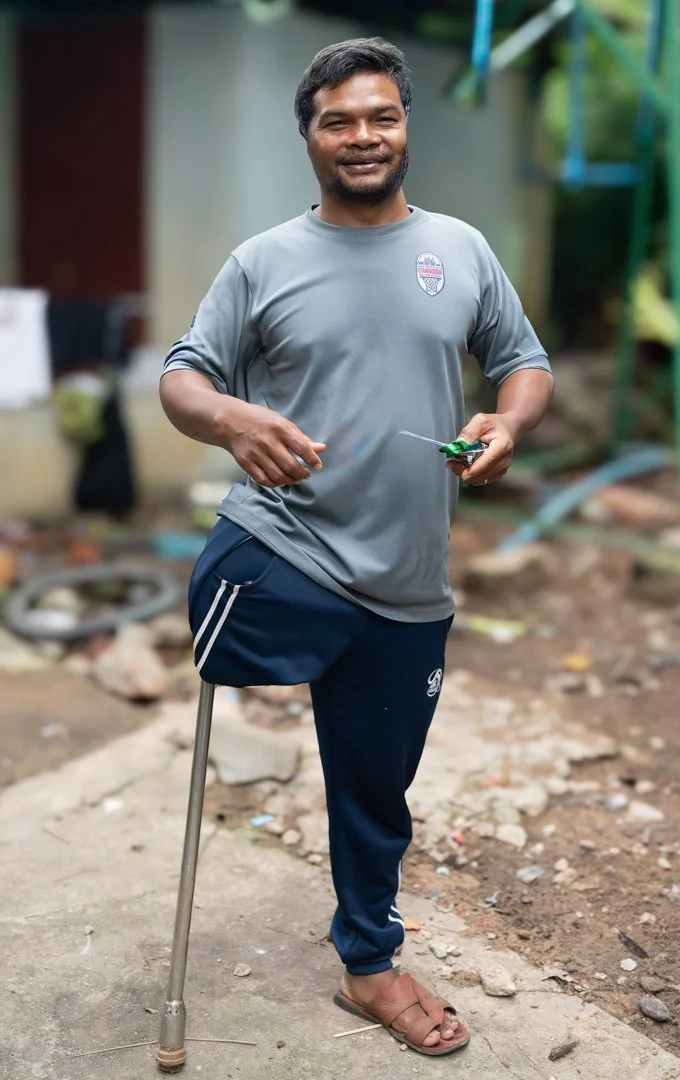
Bel is truly one of the most resilient individuals I have ever met. He lost his entire family to Pol Pot’s regime and found himself living alone at age 7. He was tending a neighbor’s cows to gain access to food when he stepped on a landmine. He managed to get himself through school and speaks fluent English. He works with his wife making and selling the jewelry she designs. She is recovering from a stroke. Despite the many hardships he has endured, he is a warm, affable, and kind man. I was introduced to him by Catherine Karnow whose photography trips in Cambodia include a day of philanthropy. I totally admire Bel and have maintained contact with the family.
Sri Lanka
Sri Lanka is a tropical island nation in South Asia located in the Indian Ocean. Known for its biodiversity, the country offers beaches, lush rain forests and misty, tea-covered highlands. Sri Lankan culture is a tapestry woven from thousands of years of indigenous traditions, deep-seated religious influences (Buddhism and Hinduism), and a complex history of European colonization. Daily life is often intertwined with spiritual rituals. Sri Lanka is paradise for photography: the people dress colorfully and like having their pictures taken.
Photos taken touring with Sanjaya Somarathna
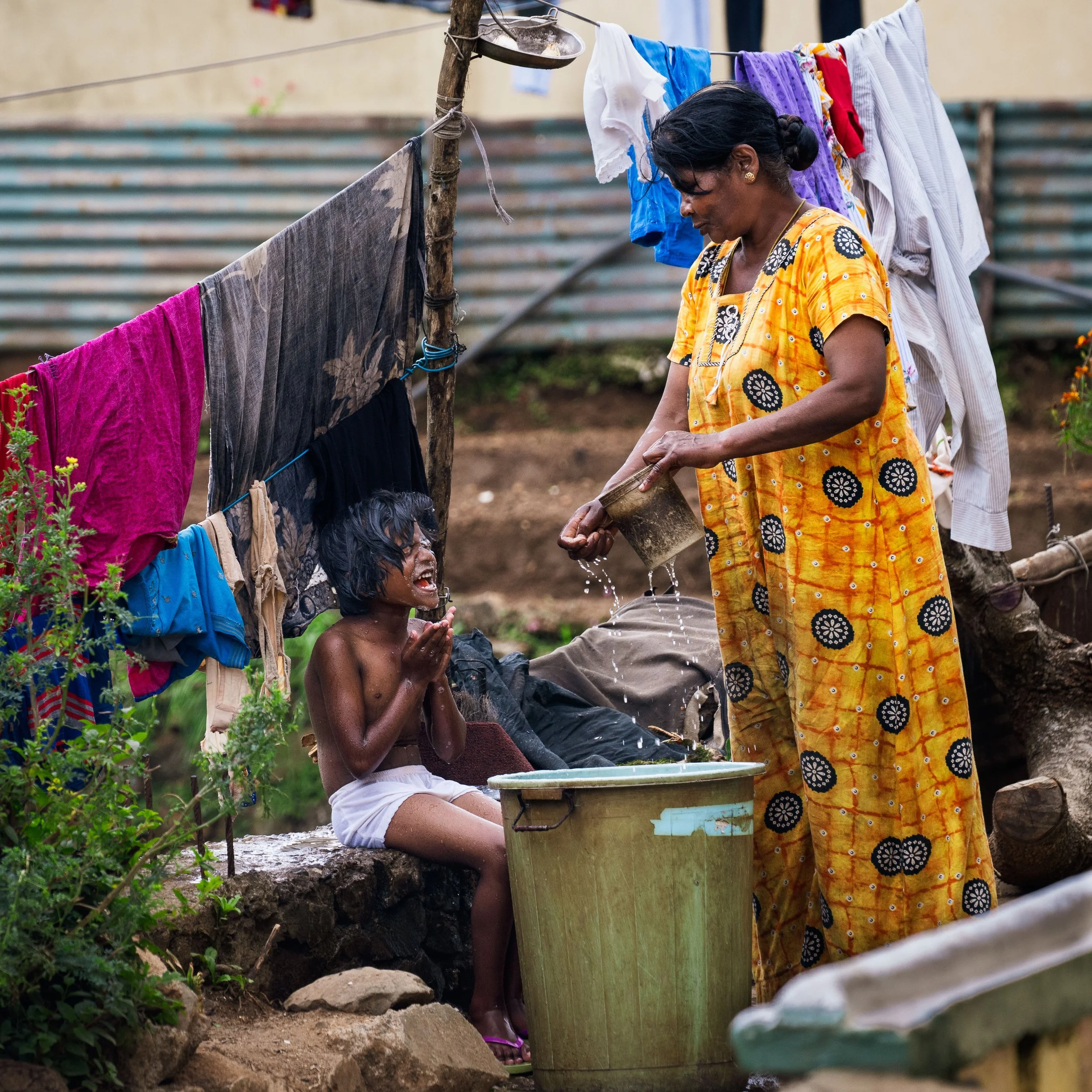
With no running water at home, this boy is bathing outdoors. I wanted to capture his adorable, and universal, reaction to having cold water poured over his head.
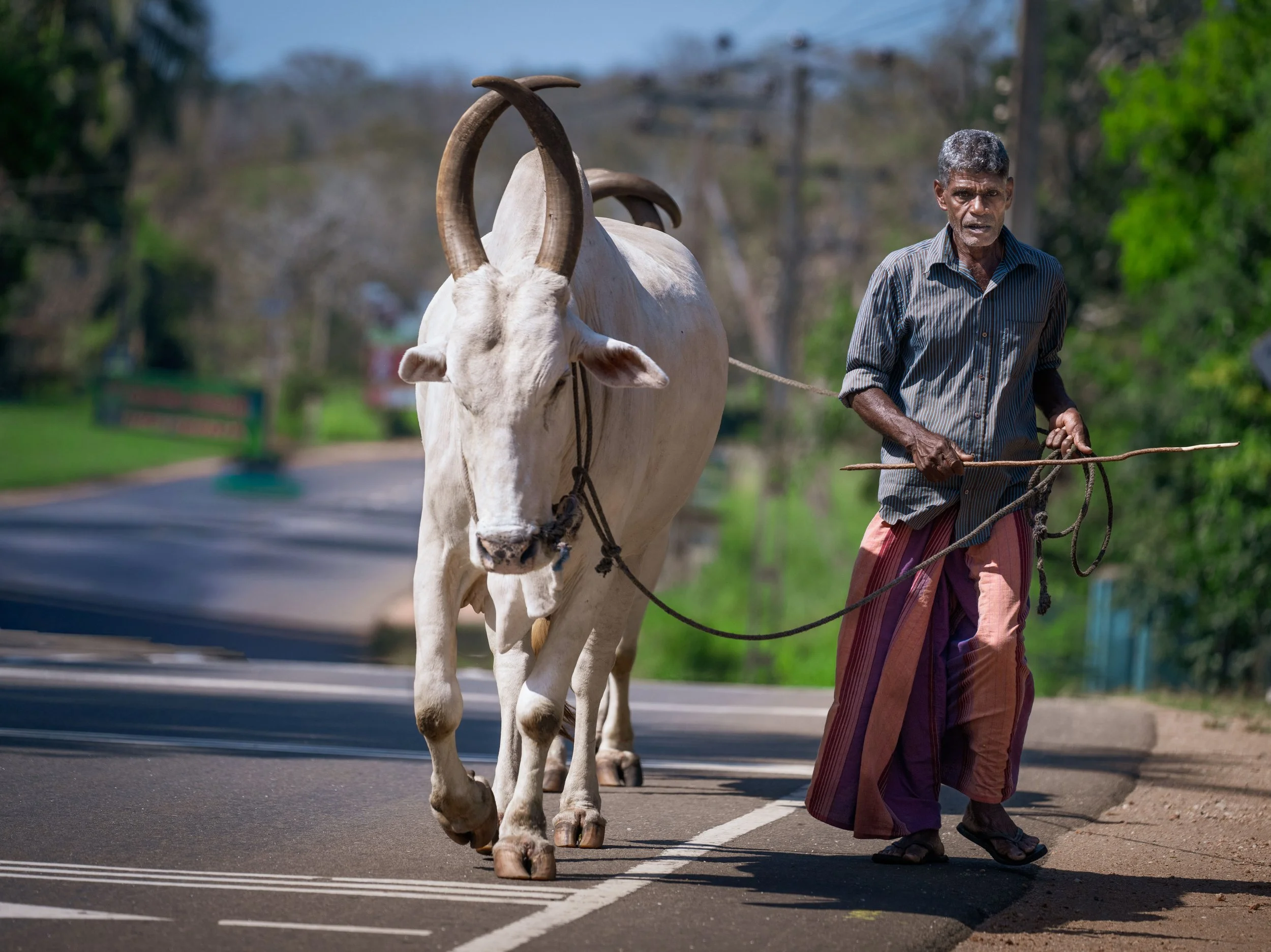
This Sri Lankan man was walking his oxen on a very busy, modern highway.
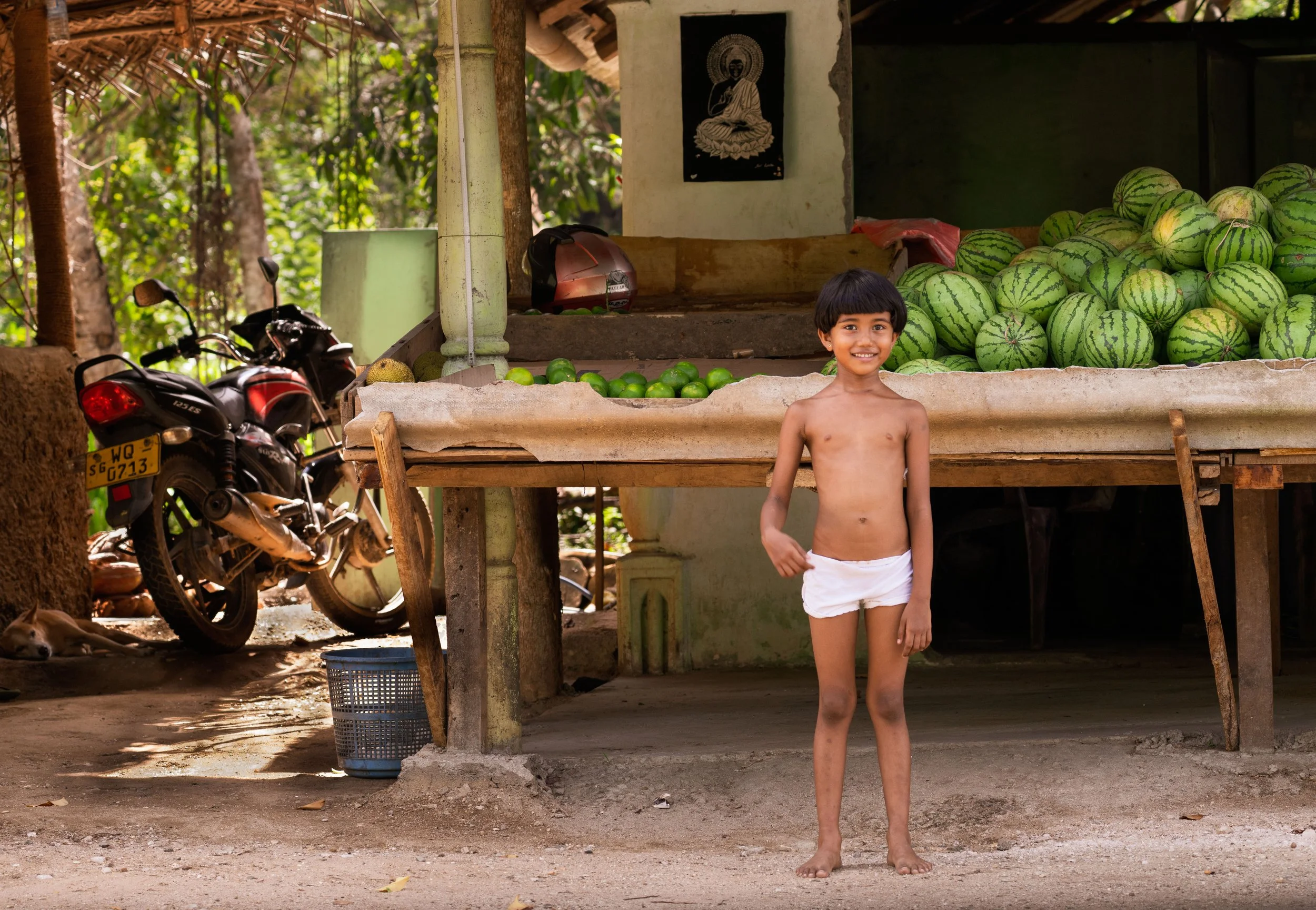
This picture captures the almost universal food stand in front of most homes in rural Sri Lanka. The motorcycle is the family's mode of transportation, often with 3-4 people on board. The adorable Sri Lankan child, standing proudly in white underwear, always makes me smile.
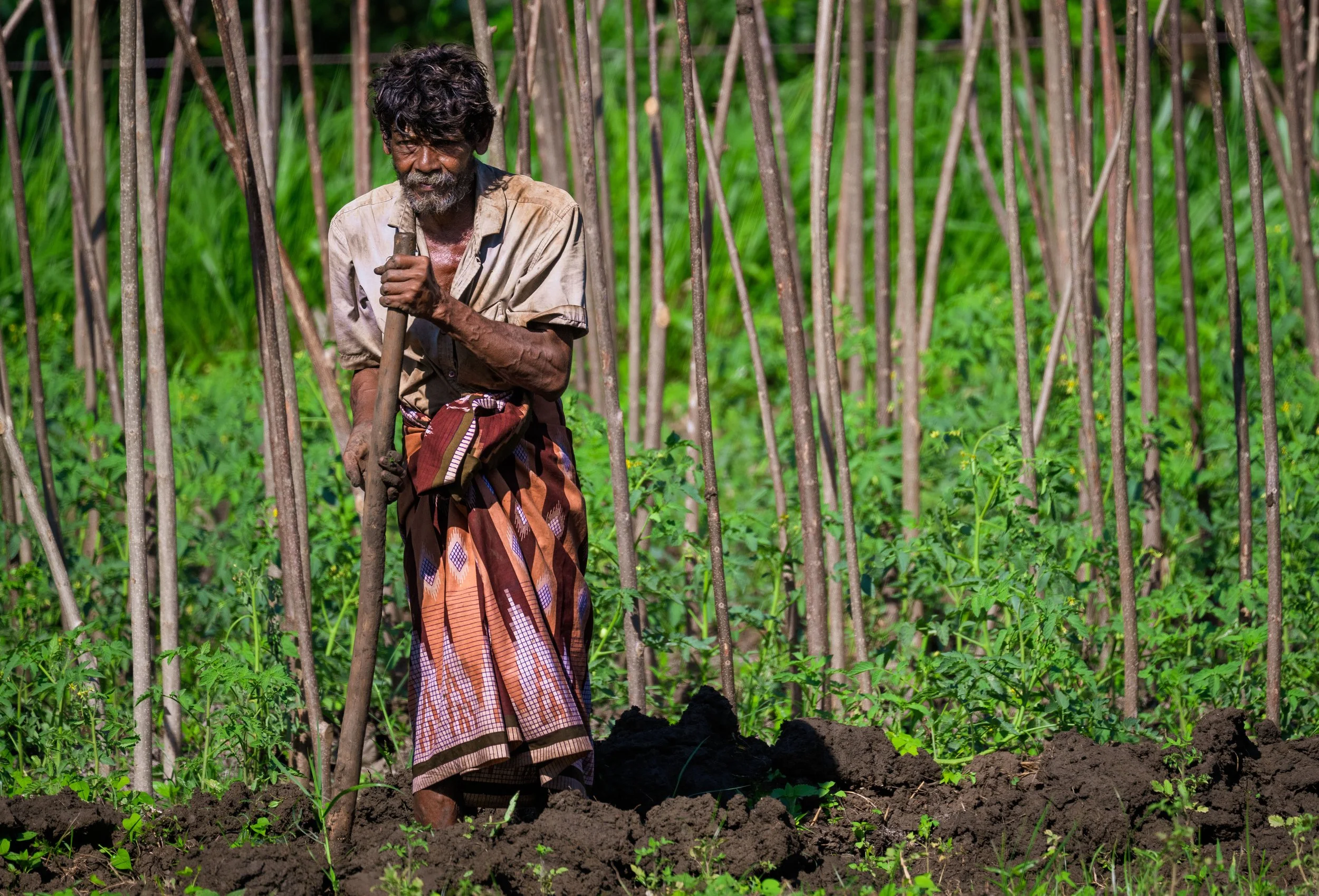
This man was toiling in extreme heat, cultivating bamboo in rural Sri Lanka.
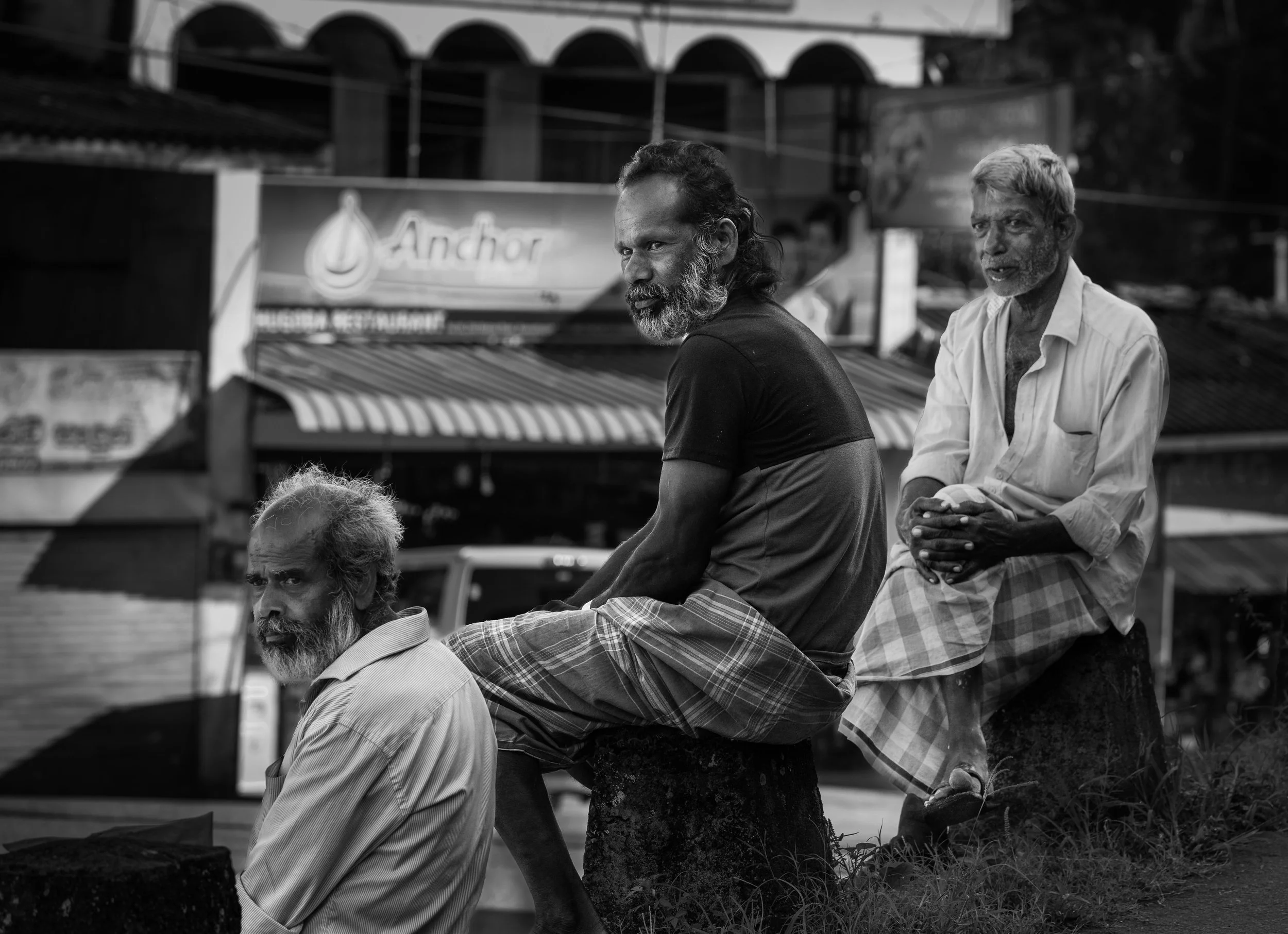
Men and women often gather to chat in Sri Lanka. Sri Lankan's are known for their particularly warm culture.
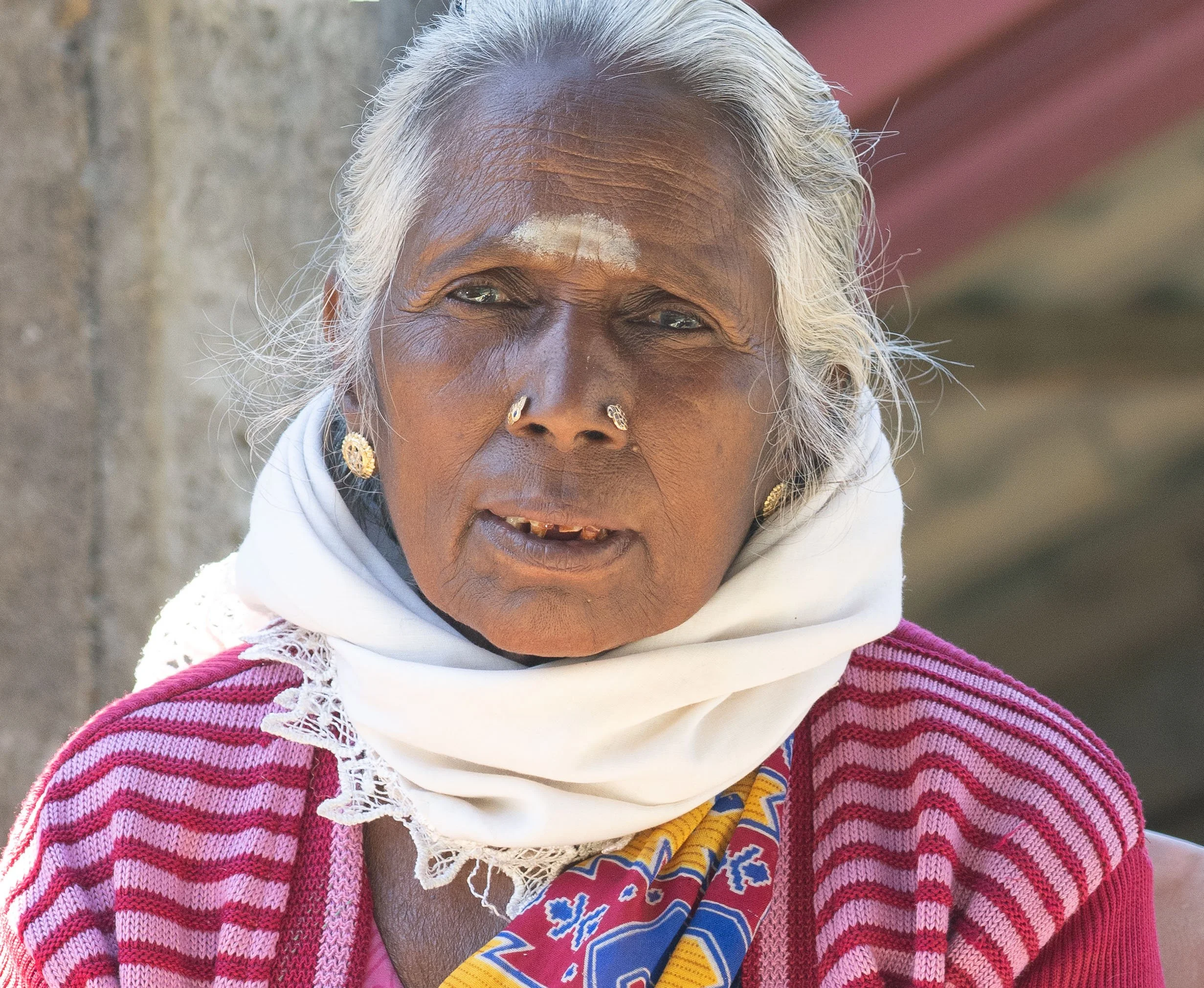
This woman is culturally Tamal, who live in the north and east area of Sri Lanka. The white mark is made of Sandalwood; applying it is believed to retain energy, improve focus, and awaken spiritual intuition.
Romania
I traveled through the Transylvania area of Romania. The region’s character was shaped by ethnic Germans (Saxons). Most of the population is Romanian, with a sizeable Hungarian population and a small (3-5%) Roma population, who prefer to call themselves gypsy people. In Transylvanian villages, traditional farming life and manual craftsmanship still prevail in a way that is rare in modern Europe.
Photos taken on tour with Catherine Karnow.
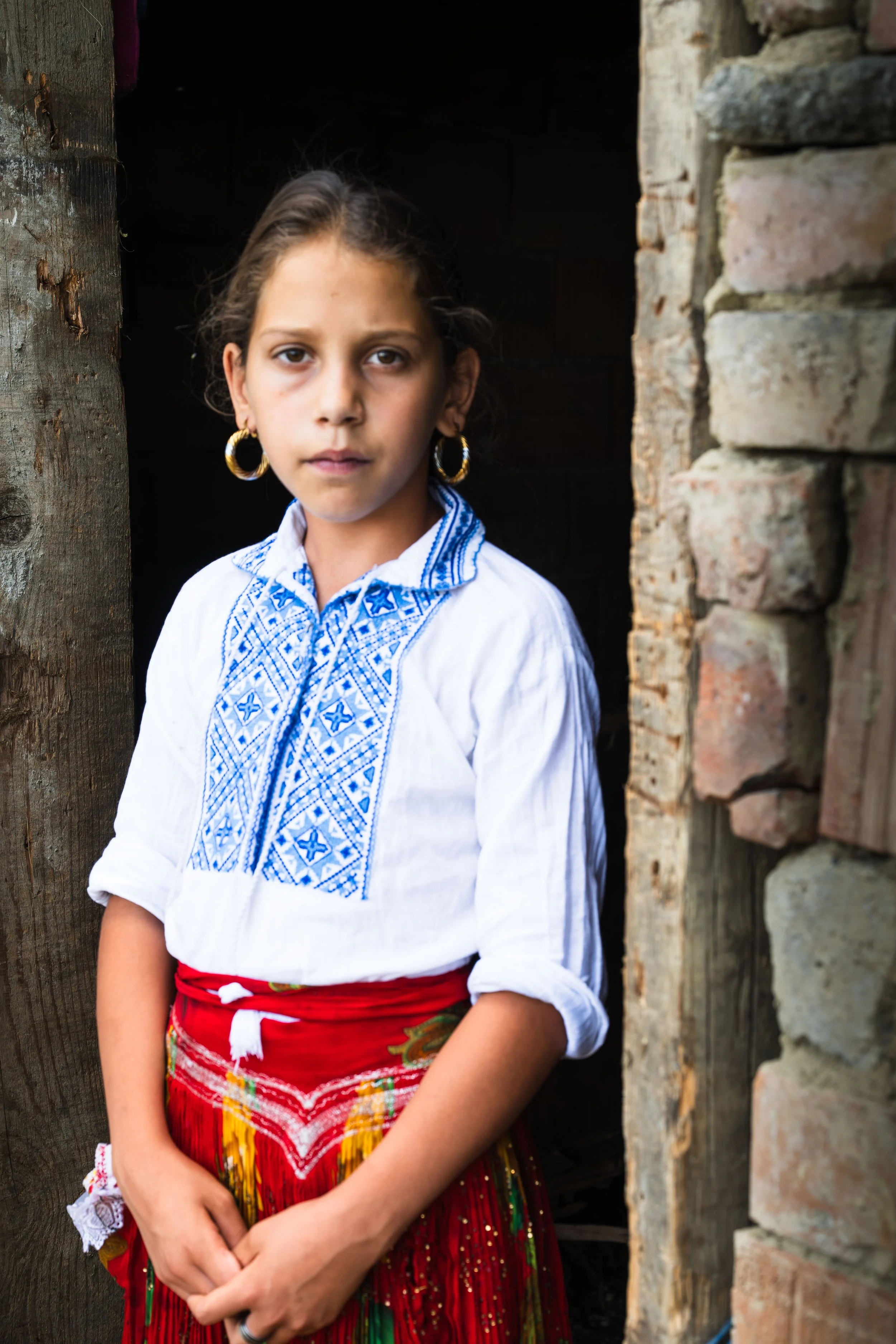
This soulful gypsy girl, dressed in traditional shirt and skirt, took part in dancing to local musicians in the forest near Sfantu Gheorghe.
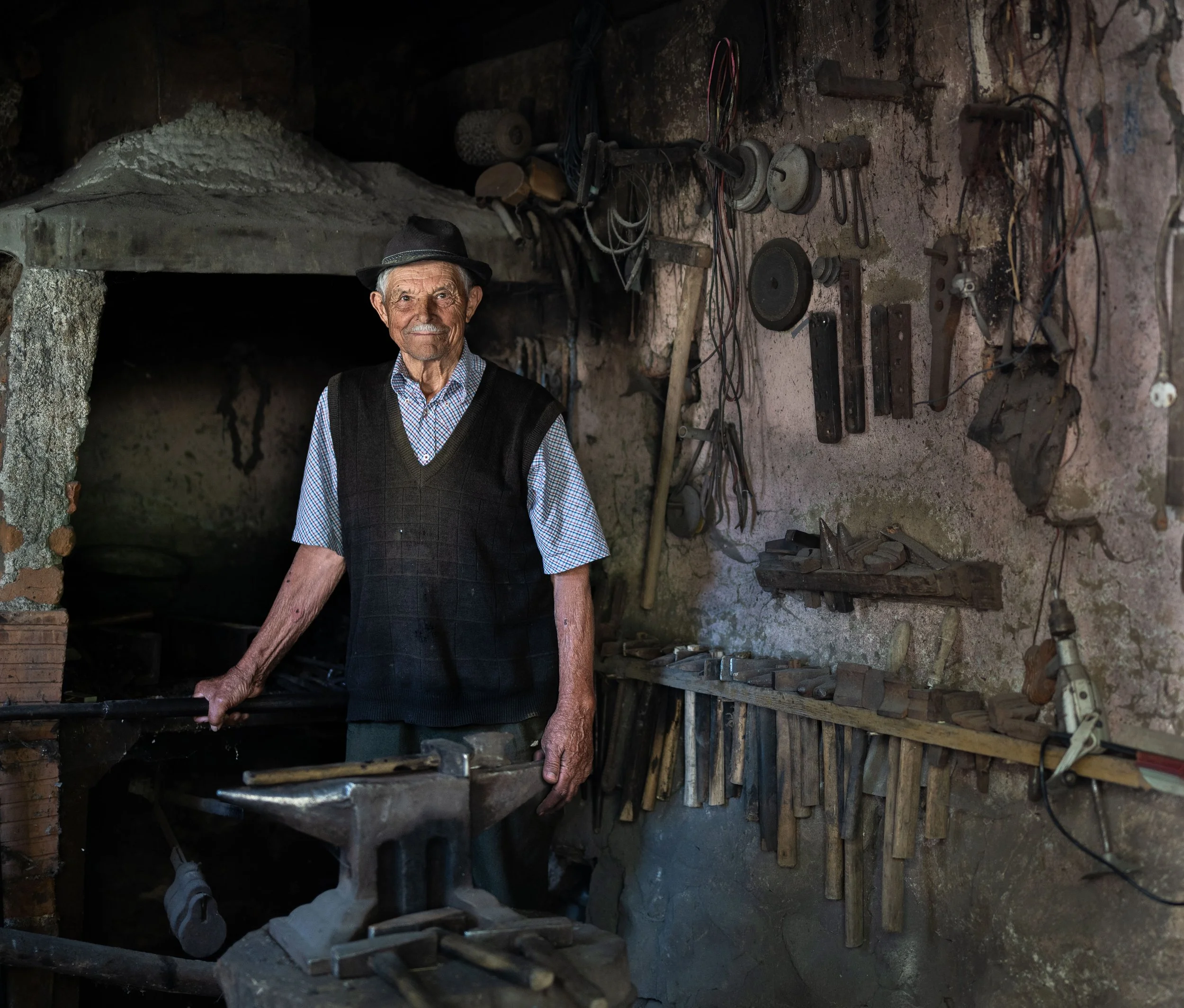
Mr. Bogdan, a recently retired blacksmith (the last in his small village), is posing in his shop.
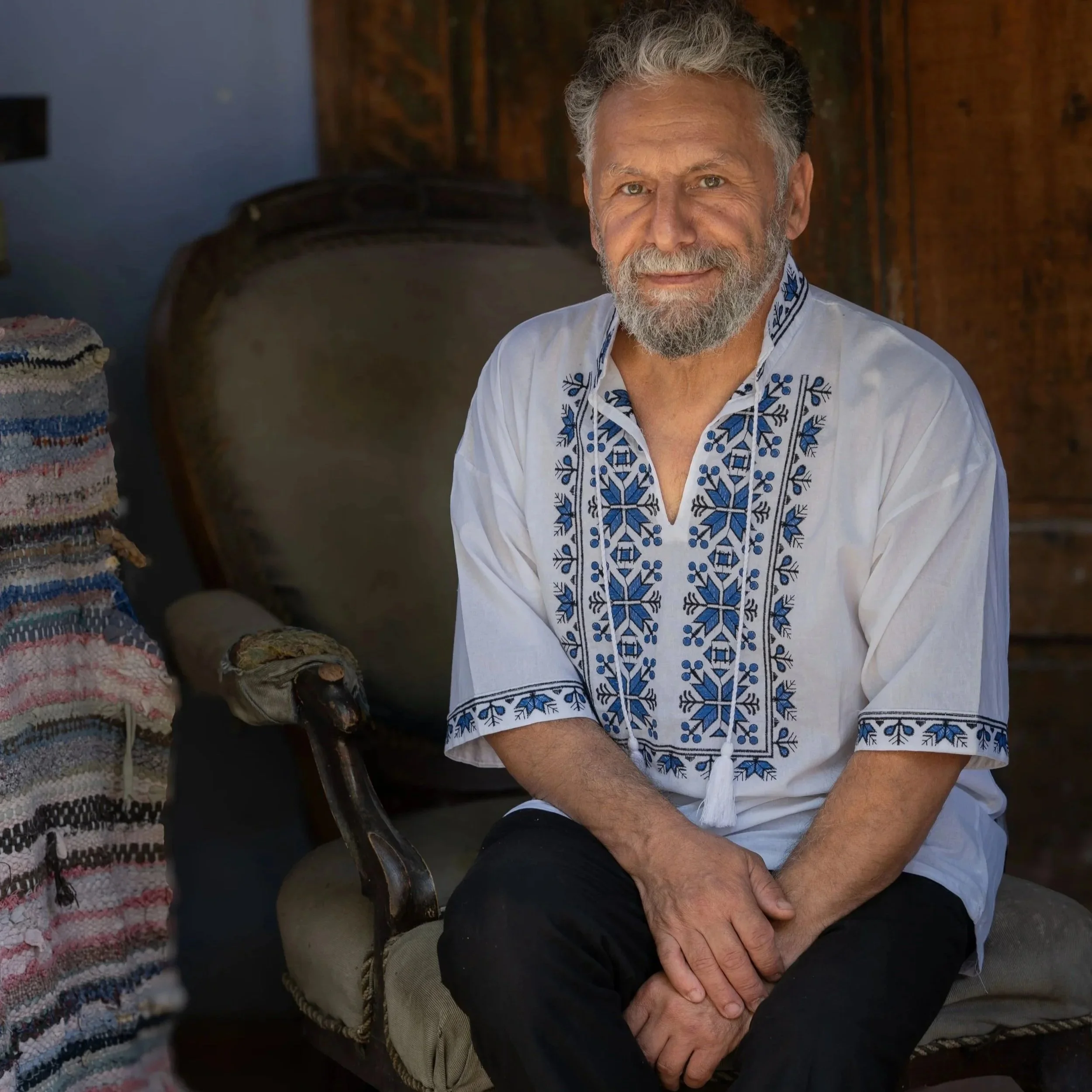
This man was working in his field in Copsa Mare, when three of us walked past carrying our cameras. He hurried home, dressed in traditional clothing, and offered us cold drinks and shade in his yard on a very hot day in rural Romania.
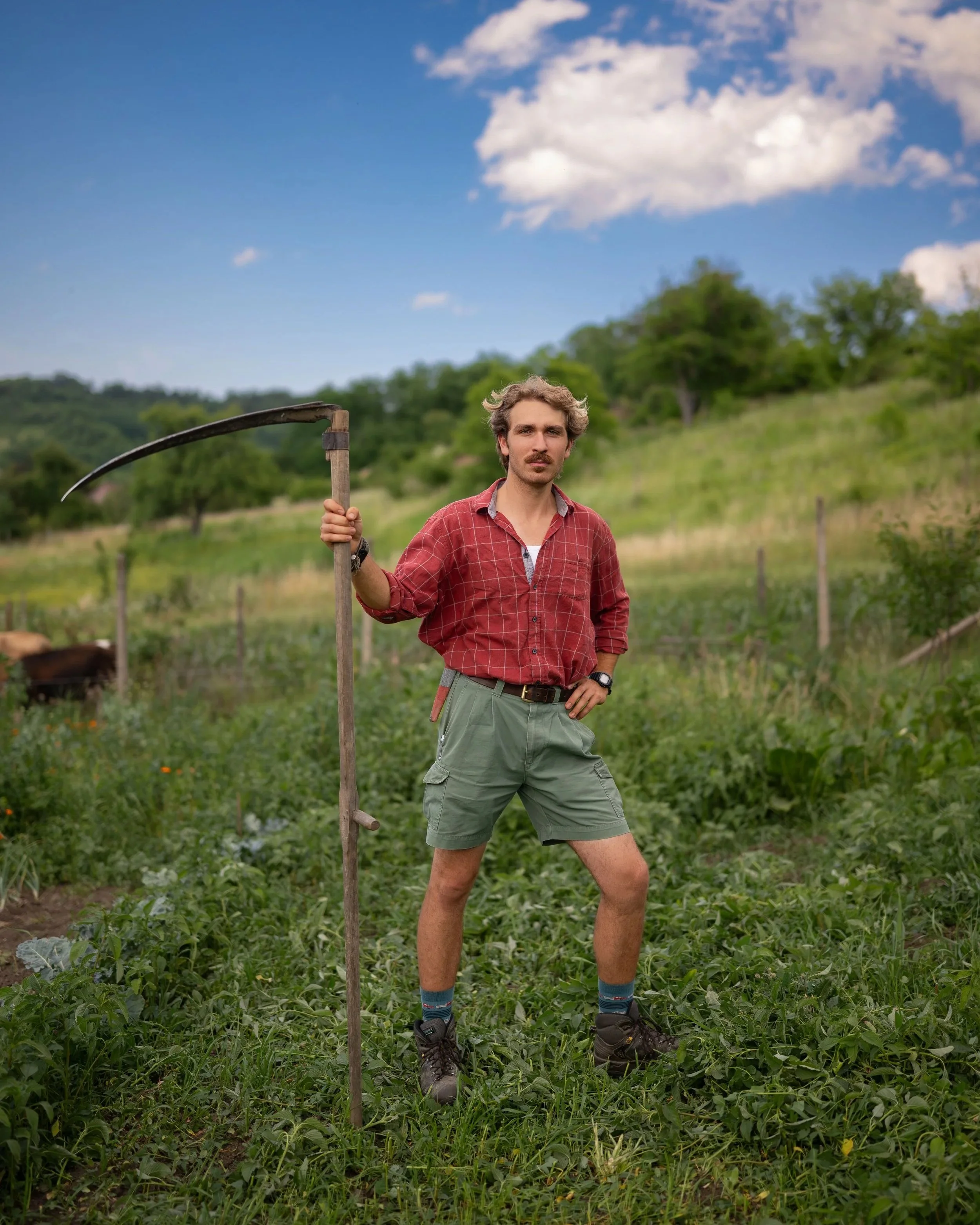
Joel, the son of Lavinia and Willy Schuster, is working on his family farm in the village of Mosna. Willy Schuster, a pioneer in biodynamic and ecological farming, passed away but his family maintains a thriving farm.
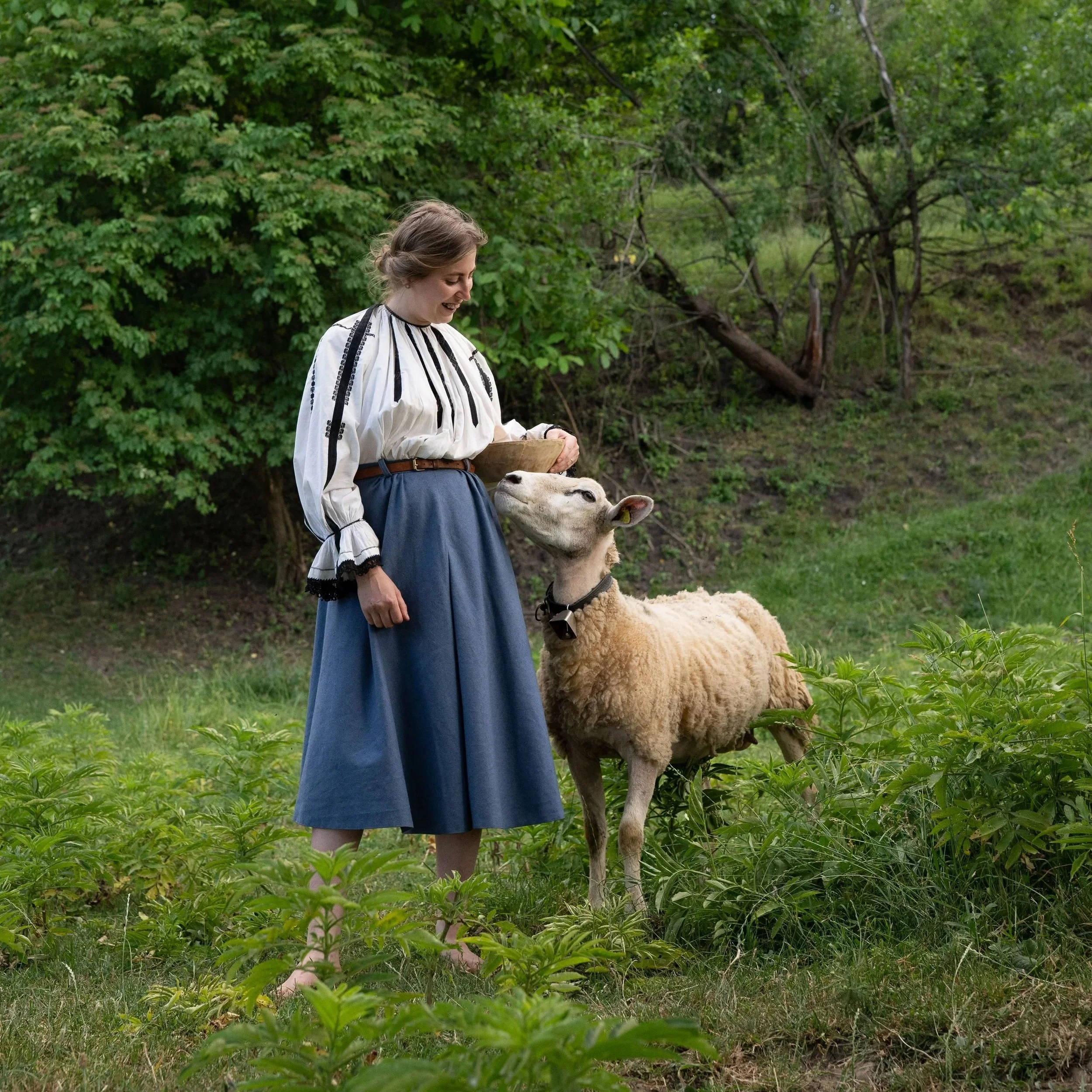
A touching moment between Sharon Schuster, daugher of Lavinia and Willy Schuster, and her sheep. She is working on her and her family's farms preserving the traditional Transylvanian agriculture and the Saxon way of life.
About
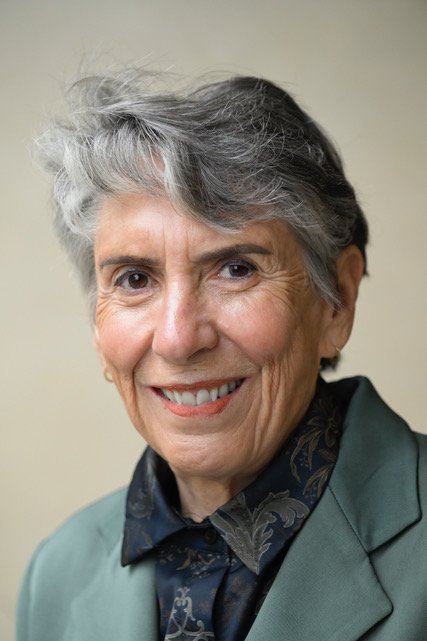
Jeanne Miranda is a Distinguished Professor Emeritus, Department of Psychiatry and Biobehavioral Sciences, UCLA and a documentary photographer focused on capturing the everyday people of the world.
Her work explores spirituality, daily rituals, labor, celebration, and the quiet strength of communities often unseen. Through natural light and unobtrusive observation, she documents moments that reveal dignity, resilience, and connection.
Leave a Comment